
 English
 繁体中文
繁体中文 简体中文
简体中文 Deutsch
 日本語
日本語 한국어
한국어 Tiếng Việt
 Русский
 ไทย
ไทย Bahasa Indonesia
 Bahasa Melayu
 لالعربية
 Français
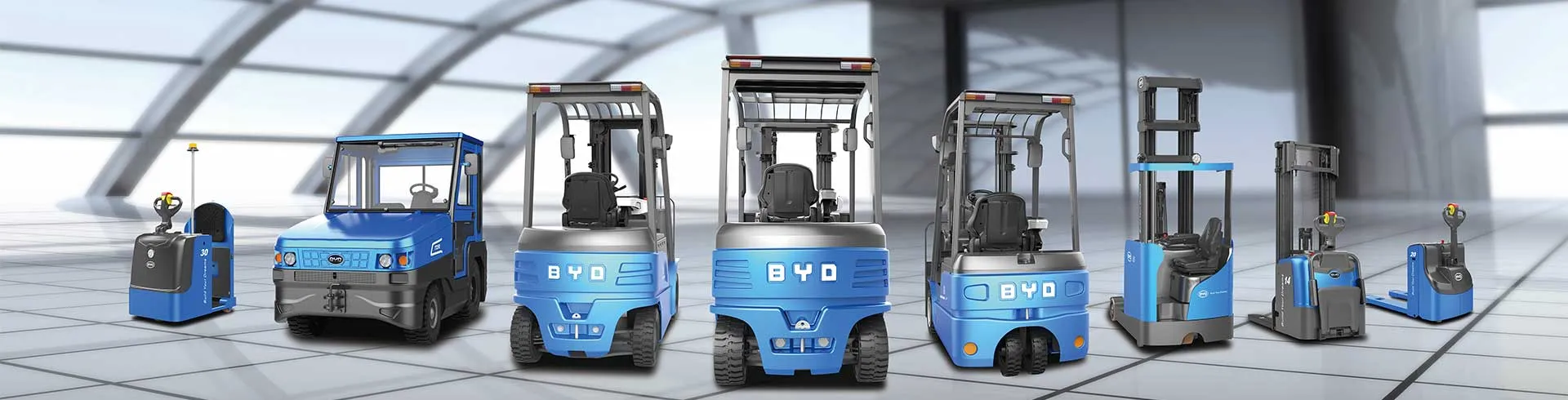
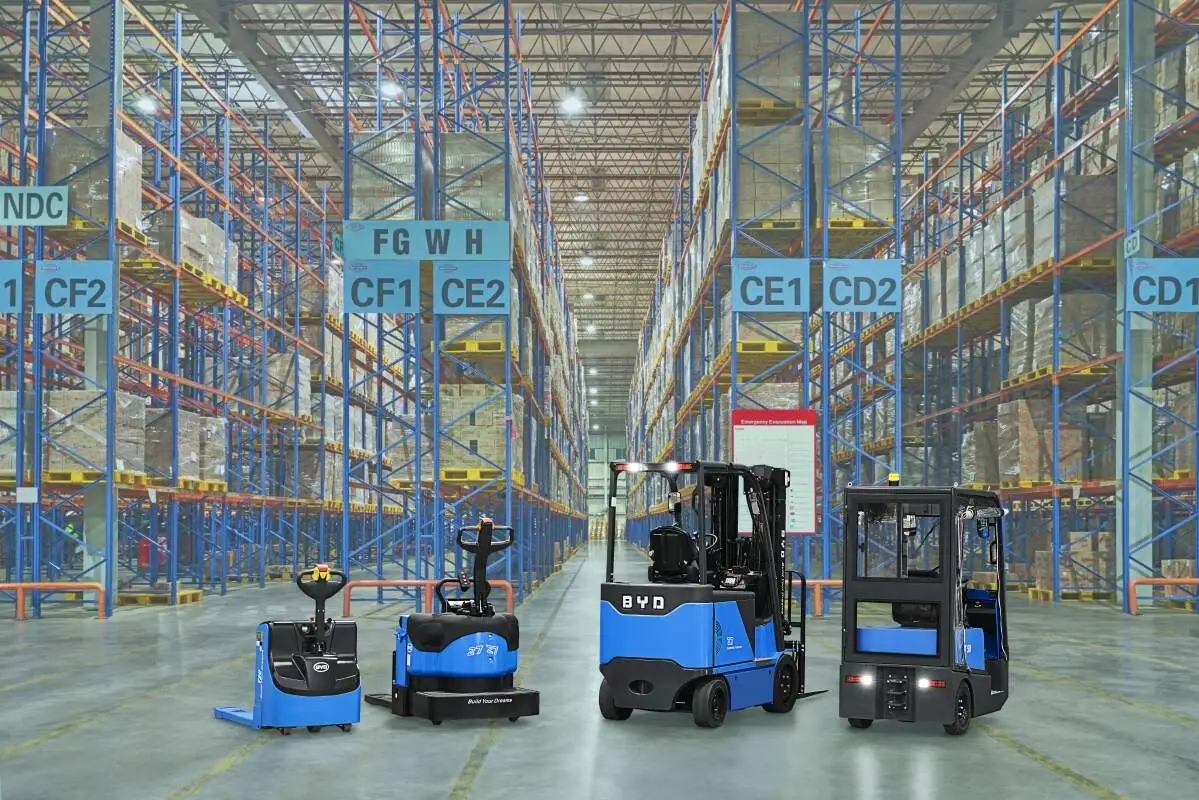
When planning equipment renewal for industrial sites, the choice between electric and diesel forklifts involves more than initial purchase price. A thorough total cost of ownership (TCO) comparison is essential to align with operational budgets and sustainability goals.
Electric forklifts typically have higher upfront costs due to battery and charger investments. However, their energy costs are significantly lower—electricity per hour is often less than half the cost of diesel fuel, especially when charging during off-peak hours. Maintenance is simpler: no engine oil, filters, or exhaust system repairs. Electric drivetrains have fewer moving parts, reducing downtime and parts replacement. Battery life averages 4 to 6 years with proper care, while diesel engines may require major overhauls after 8,000 to 10,000 hours.
Diesel forklifts, by contrast, offer lower initial acquisition costs and higher power density for heavy-load applications over long shifts. Fuel refueling is quick, but diesel prices fluctuate and emissions control systems add maintenance complexity. Total operating costs—including fuel, engine oil, filters, and emission aftertreatment—can exceed electric forklift costs over five years.
Site planners should also consider environmental regulations. Many regions restrict diesel use indoors or impose carbon taxes, increasing compliance costs. Electric forklifts produce zero tailpipe emissions, reducing ventilation costs and health risks for workers. Battery recycling programs are widely available, lowering end-of-life expenses.
A practical TCO model should factor in shift hours, energy tariffs, maintenance labor rates, and expected lifespan. For multi-shift operations, fast-charging lithium-ion batteries can match diesel uptime without battery swapping. Jianshu New Energy offers electric forklift solutions optimized for renewal projects. For a detailed analysis tailored to your site, contact 17399989919@163.com. BYD Forklift models, for example, demonstrate the reliability and efficiency that make electric options viable for heavy-duty renewal.
Ultimately, the cost gap is narrowing as battery technology improves and diesel fuel costs rise. Sites prioritizing long-term savings and sustainability tend to favor electric forklifts, while those with extreme load requirements or no access to charging infrastructure may still consider diesel. A data-driven evaluation ensures the decision meets both financial and operational objectives.


