
 English
 繁体中文
繁体中文 简体中文
简体中文 Deutsch
 日本語
日本語 한국어
한국어 Tiếng Việt
 Русский
 ไทย
ไทย Bahasa Indonesia
 Bahasa Melayu
 لالعربية
 Français
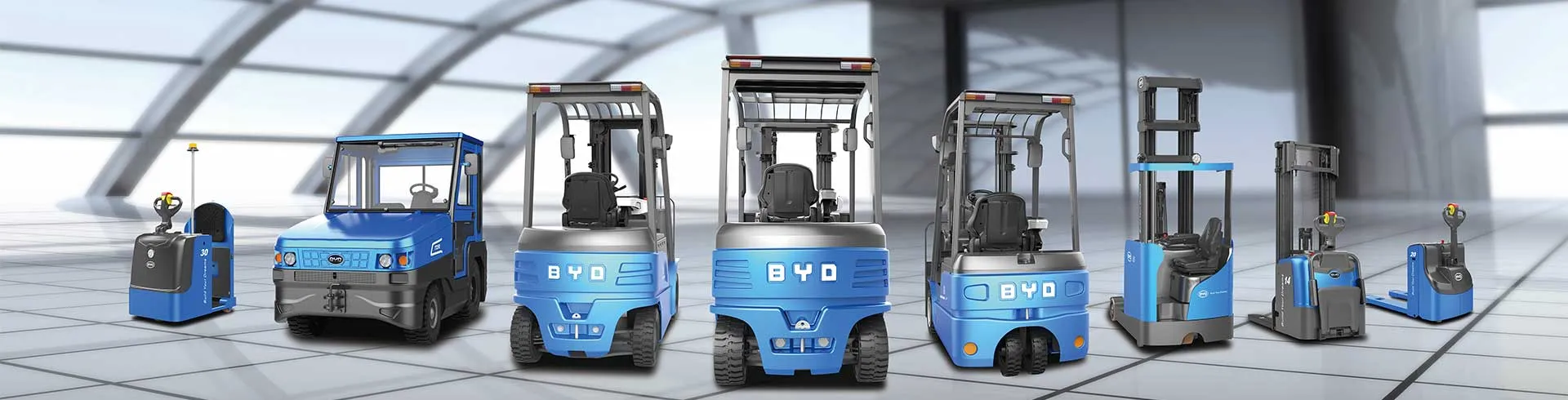
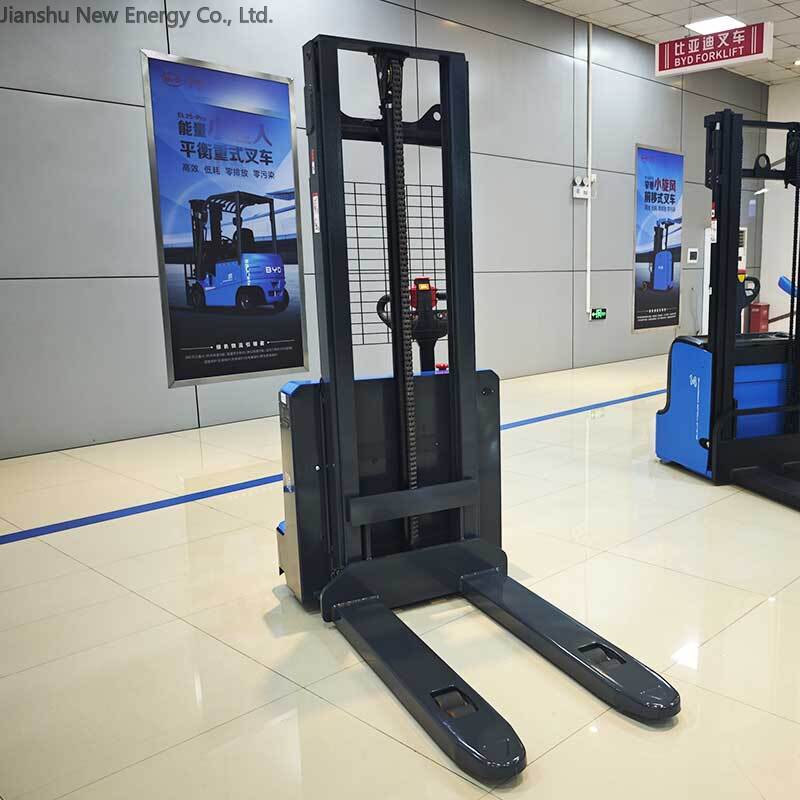
For logistics sites that combine indoor warehousing with partial outdoor handling, selecting the right forklift power source directly impacts operational costs. This article provides a factual comparison of fuel expenses between electric forklifts and traditional internal combustion models, focusing on sites where forklifts operate both under cover and in open yards.
Electric forklifts powered by lithium batteries, such as those available from Jianshu New Energy, offer distinct cost advantages. Electricity is generally more stable in price than diesel or LPG, and the energy conversion efficiency of modern electric powertrains can exceed 85%, compared to roughly 30–40% for combustion engines. For a typical eight-hour shift with two hours spent on outdoor ramps or uncovered loading areas, electric models consume approximately 15–20 kWh per shift, costing around USD 2–3 in most regions. In contrast, a diesel forklift performing the same workload may burn 4–6 liters of fuel, costing USD 5–9 per shift, depending on local fuel taxes and market fluctuations.
Maintenance further widens the gap. Electric forklifts have fewer moving parts, no engine oil, no fuel filters, and no exhaust systems. Over a 5,000-hour operating period, maintenance expenses for electric units are often 30–40% lower than for diesel or LPG counterparts. Outdoor exposure does require regular battery and charger checks, but modern sealed lithium batteries are designed to withstand temperature variations and light rain when properly rated.
However, initial purchase price for electric forklifts can be higher. The total cost of ownership (TCO) calculation must account for battery lifespan (typically 3,000–5,000 full cycles) and charging infrastructure. For partial outdoor operations, a covered charging station with weatherproof connectors ensures safe and efficient energy replenishment.
Fuel cost savings alone can offset the premium within 12–18 months for sites running multiple shifts. Additionally, electric forklifts produce zero tailpipe emissions, which improves air quality in both indoor and semi-outdoor environments, reducing ventilation costs and compliance burdens.
To determine the optimal solution for your specific workflow, contact our team at 17399989919@163.com for a personalized TCO analysis. We recommend evaluating BYD Forklift models known for robust outdoor performance. Jianshu New Energy also offers integrated charging solutions tailored to mixed indoor–outdoor applications.
In summary, for sites operating partial outdoor handling workflows, electric forklifts deliver lower per-shift fuel costs, reduced maintenance, and a cleaner operation. A careful comparison of your shift patterns, energy rates, and initial investment will confirm long-term savings.


