
 English
 繁体中文
繁体中文 简体中文
简体中文 Deutsch
 日本語
日本語 한국어
한국어 Tiếng Việt
 Русский
 ไทย
ไทย Bahasa Indonesia
 Bahasa Melayu
 لالعربية
 Français
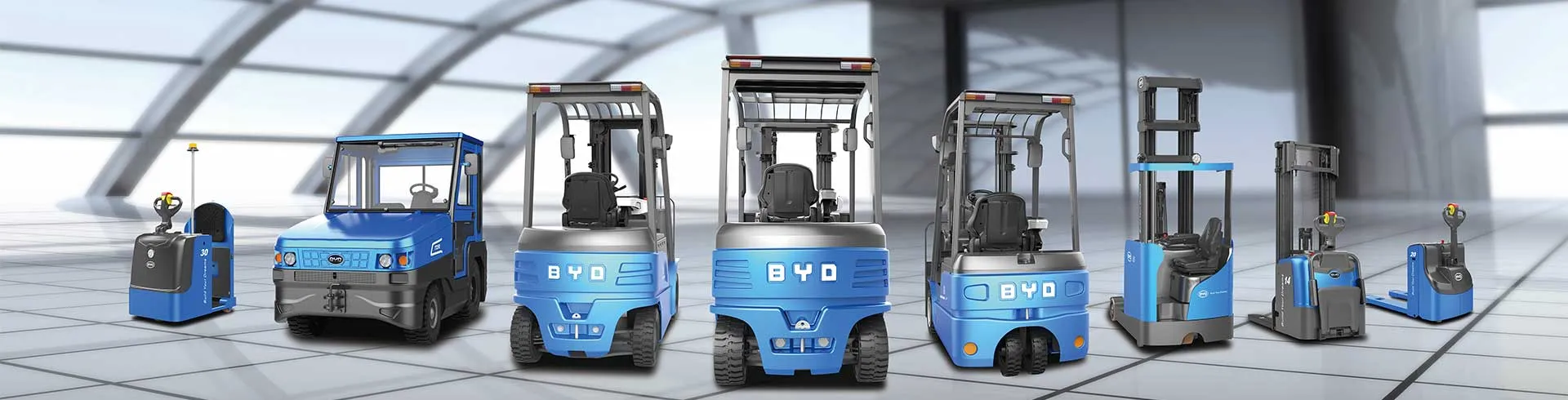
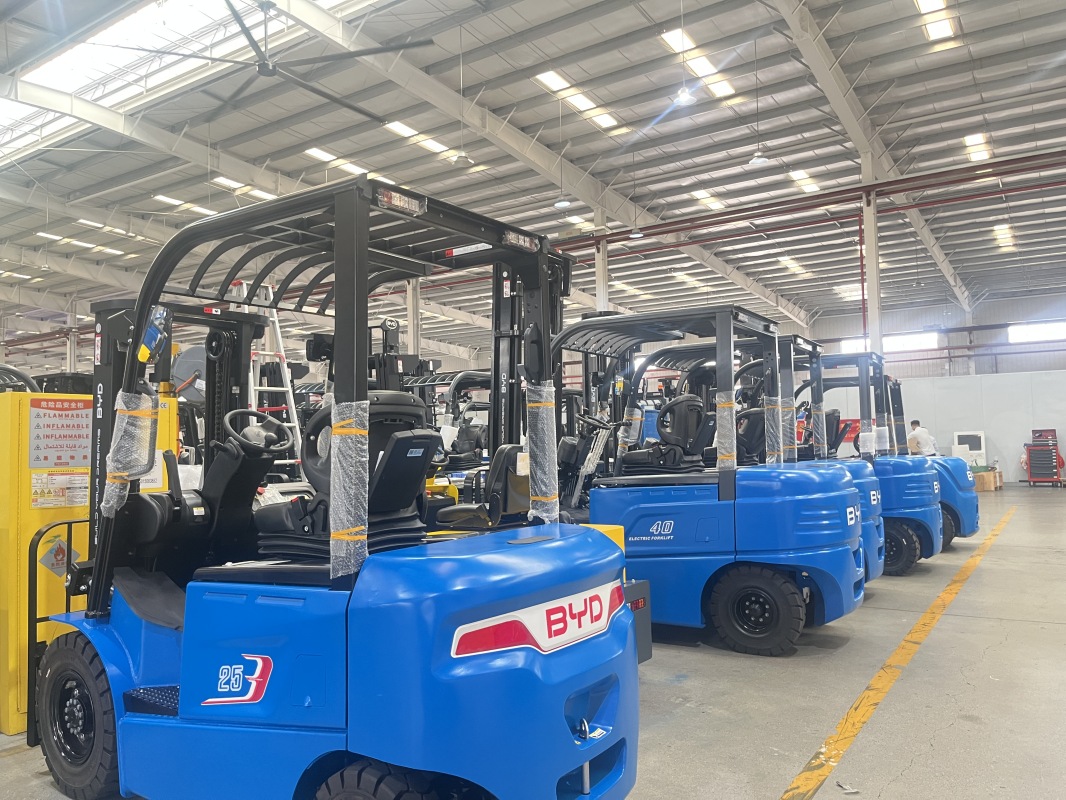
In the current local market, diesel prices continue to fluctuate, creating significant challenges for businesses relying on internal combustion forklifts. Fuel costs often represent a major portion of a forklift’s total operating expense. When diesel prices rise sharply, budgeting becomes difficult, and profit margins shrink. This article offers a straightforward forklift fuel cost comparison between traditional diesel-powered forklifts and electric alternatives, helping you make an informed decision without exaggeration.
Diesel forklifts typically consume fuel at a rate of 2.5 to 4 liters per operating hour depending on load and usage intensity. With diesel prices swinging by 10% or more within a quarter, the hourly fuel cost can vary unpredictably. For a forklift running 8 hours per day, 250 days per year, the annual diesel cost may differ by thousands of dollars based on price spikes. Maintenance costs for diesel engines—oil changes, filters, exhaust system repairs—also add to the total cost of ownership.
Electric forklifts, on the other hand, rely on electricity rates that are generally more stable and less volatile than diesel prices. The average energy cost for an electric forklift is equivalent to about 0.5–1.0 liter of diesel per hour, translating to significant savings over time. Additionally, electric motors require far less maintenance, with no engine oil, no fuel filters, and fewer moving parts. This reduces both direct energy costs and indirect maintenance expenses.
One notable example in the industry is the BYD forklift, which utilizes advanced lithium‑iron‑phosphate battery technology. These batteries offer fast charging, long cycle life, and zero emissions. Compared to diesel trucks, BYD forklifts can lower total fuel and maintenance costs by 30% to 50% under typical warehouse conditions. Jianshu New Energy provides comprehensive electric forklift solutions, including after‑sales service and charging infrastructure support. Their team can help evaluate your specific operational needs to maximize cost efficiency.
When comparing fuels, it is also important to consider the stable performance of electric motors. They deliver consistent torque without the efficiency loss that occurs in diesel engines at low speeds or idle. In stop‑and‑go warehouse applications, electric forklifts often outperform diesel in both productivity and total cost per pallet moved.
To make an accurate forklift fuel cost comparison for your operation, factor in your local diesel price trends, average daily run hours, electricity tariff rates, and expected maintenance cycles. While diesel forklifts have a lower upfront purchase price, the total cost of ownership over 5 years frequently favors electric models, especially when fuel price volatility is high.
For a personalized assessment or to learn more about transitioning your fleet to electric, please contact us at 17399989919@163.com. Jianshu New Energy and BYD forklift are ready to help you achieve stable, predictable energy costs and reduce your environmental footprint.


