
 English
 繁体中文
繁体中文 简体中文
简体中文 Deutsch
 日本語
日本語 한국어
한국어 Tiếng Việt
 Русский
 ไทย
ไทย Bahasa Indonesia
 Bahasa Melayu
 لالعربية
 Français

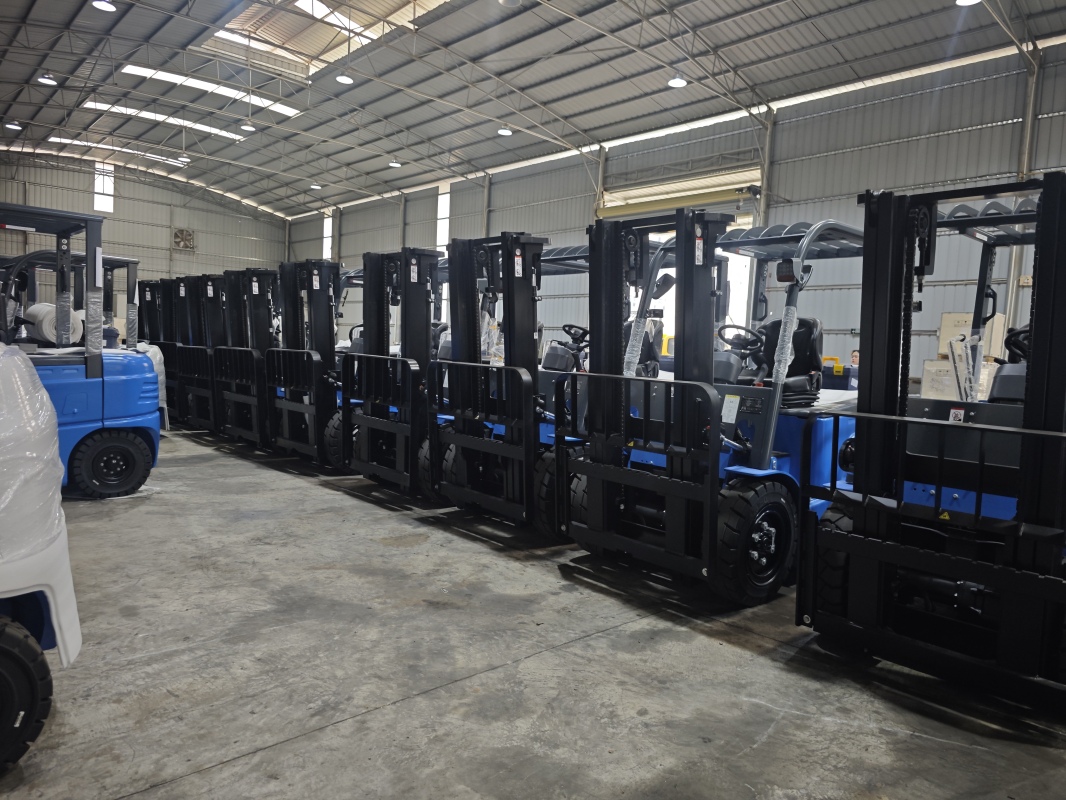
When your warehouse operations require narrow-aisle special-purpose forklifts, the decision between renting and purchasing carries significant implications. These forklifts are designed for tight spaces, high stacking, and specific load handling. The right choice depends on your business’s financial situation, usage frequency, and long-term plans.
Renting offers flexibility. It is ideal for seasonal peaks, short-term projects, or testing equipment before committing. You avoid large upfront capital expenditure and sidestep maintenance burdens. Rental contracts typically include service, repairs, and replacement units if downtime occurs. For businesses with unpredictable demand, this arrangement reduces risk. However, long-term rental costs can exceed purchase price over multiple years.
Purchasing narrow-aisle special-purpose forklifts makes sense for consistent, daily use. Owning builds equity and may offer lower per-hour costs over equipment life. You can customize the forklift for your exact racking layout and train operators to peak efficiency. The downside: initial investment is high, and you are responsible for all maintenance, parts, and potential obsolescence.
Key factors to evaluate: utilization rate, cash flow, maintenance capacity, and future warehouse changes. If you plan to expand or reconfigure aisles in two years, renting preserves flexibility. If your layout is fixed and forklift usage is heavy, buying may be more economical.
At Jianshu New Energy, we help companies assess these trade-offs. We offer both purchase and rental solutions featuring reliable BYD Forklift models, including narrow-aisle electric counterbalance and reach trucks. Our team can match equipment to your aisle widths, load capacities, and operating hours without exaggerated claims.
For a no-obligation consultation, email us at 17399989919@163.com. We provide clear facts and transparent pricing. Whether you rent or buy, the goal is to optimize your warehouse productivity while respecting your budget. Remember: the best decision is the one that aligns with your real operational needs. Avoid decisions based on temporary discounts or fear of investment. Evaluate honestly, and choose the path that supports sustainable material handling.


