
 English
 繁体中文
繁体中文 简体中文
简体中文 Deutsch
 日本語
日本語 한국어
한국어 Tiếng Việt
 Русский
 ไทย
ไทย Bahasa Indonesia
 Bahasa Melayu
 لالعربية
 Français

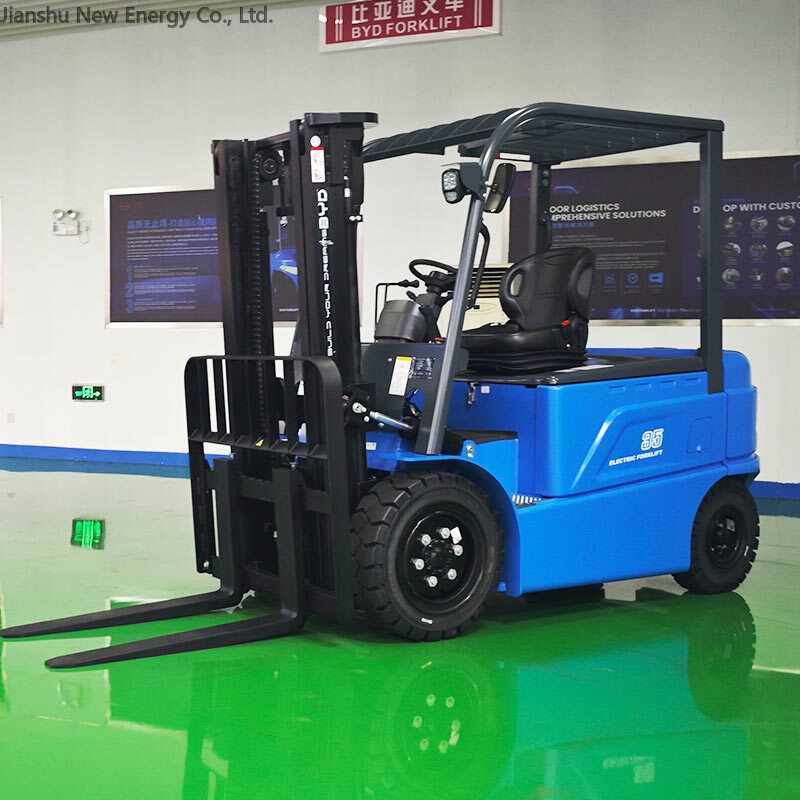
Understanding total cost of ownership (TCO) is essential when selecting electric forklifts. While initial purchase price often grabs attention, the battery replacement cycle is a hidden but significant cost driver that can dramatically affect long-term expenses. This article provides a factual analysis of how battery technology choices influence TCO, helping fleet managers make informed decisions without relying on exaggerated claims.
A typical electric forklift uses either lead-acid or lithium-ion batteries. Lead-acid batteries require frequent replacement every 1,000 to 1,500 charge cycles, depending on usage and maintenance. Over a 10-year lifespan, a single forklift may need three to five battery replacements, each costing several thousand dollars. Moreover, lead-acid batteries demand regular watering, equalization charging, and ventilation, adding labor and infrastructure costs. These hidden expenses can account for 20% to 30% of total TCO over the equipment's life.
In contrast, lithium-ion batteries offer 3,000 to 5,000 charge cycles, lasting three to five times longer. This drastically reduces the number of replacements needed. Lithium-ion batteries also require almost no maintenance, no watering, and no special charging rooms. Opportunity charging during breaks eliminates battery swap stations and extra spare batteries. The higher upfront cost of lithium-ion is offset by lower replacement frequency and reduced labor, often resulting in 15% to 25% lower TCO within five years.
However, battery replacement cycle cost is not the only factor. Energy efficiency also plays a role. Lithium-ion batteries have higher round-trip efficiency (95% vs. 80% for lead-acid), meaning less electricity wasted. Over years of operation, this can save hundreds of dollars per forklift annually. Additionally, lithium-ion batteries perform better in cold environments, reducing downtime and productivity losses.
To accurately calculate TCO, consider the full lifespan: acquisition, battery replacements, maintenance, energy, charging infrastructure, and disposal. Avoid focusing solely on the cheapest upfront option. A comprehensive analysis should use real-world duty cycles and local electricity rates.
For businesses seeking to optimize forklift TCO, working with experienced suppliers can provide valuable insights. Companies like Jianshu New Energy and BYD Forklift offer advanced battery solutions designed to minimize replacement cycles and overall operating costs. Their expertise helps match the right battery technology to specific application needs. For more information, contact us at 17399989919@163.com. Always evaluate TCO based on your unique operational data to achieve the best long-term value.


