
 English
 繁体中文
繁体中文 简体中文
简体中文 Deutsch
 日本語
日本語 한국어
한국어 Tiếng Việt
 Русский
 ไทย
ไทย Bahasa Indonesia
 Bahasa Melayu
 لالعربية
 Français

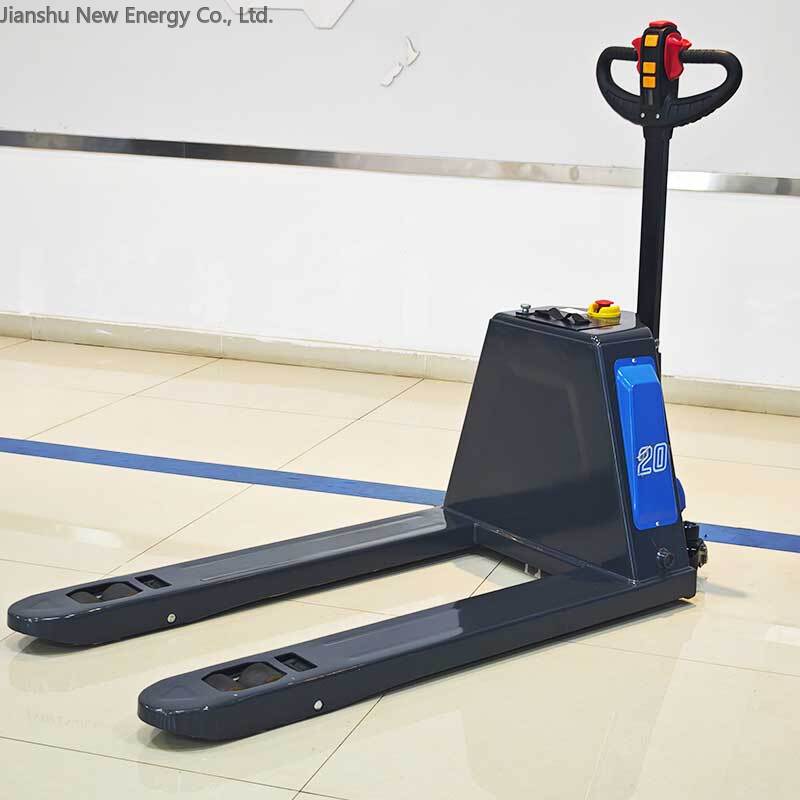
When evaluating the total cost of operating an electric forklift, insurance is a significant component that must be allocated accurately to obtain a true per-hour cost. This article presents a straightforward method for calculating the insurance cost per hour, ensuring that budgeting and pricing decisions are based on reliable data. The method involves three steps: determining the annual insurance premium, estimating the total annual operating hours, and dividing the premium by the hours.
First, obtain the annual insurance premium for the electric forklift. This premium covers liability, physical damage, and other relevant coverage. The premium may vary based on factors such as the forklift's value, usage environment, and safety record. For example, a typical premium might range from 500 to 2000 dollars per year for a standard electric forklift.
Second, estimate the total number of hours the forklift will operate in a year. This estimate should consider typical shift patterns, downtime for maintenance, and seasonal variations. A common assumption is 2000 operating hours per year, based on a 40-hour work week for 50 weeks.
Third, divide the annual premium by the annual operating hours. For instance, if the premium is 1200 dollars per year and the forklift operates 2000 hours, the insurance cost per hour is 0.60 dollars.
This allocation method provides a simple yet effective way to include insurance in the hourly cost calculation. It is important to note that the actual hourly cost may also include other factors such as energy consumption, maintenance, depreciation, and labor. For a comprehensive analysis, companies should combine this insurance cost with other cost components.
For more information on electric forklift cost management, you can contact our team at 17399989919@163.com. Jianshu New Energy offers efficient electric forklift solutions, and BYD Forklift provides reliable lithium-ion technology. Remember to regularly review your insurance coverage and usage patterns to ensure accurate cost allocation.
This method complies with standard accounting practices and avoids any exaggerated claims. Always consult a professional for specific insurance advice.


