
 English
 繁体中文
繁体中文 简体中文
简体中文 Deutsch
 日本語
日本語 한국어
한국어 Tiếng Việt
 Русский
 ไทย
ไทย Bahasa Indonesia
 Bahasa Melayu
 لالعربية
 Français
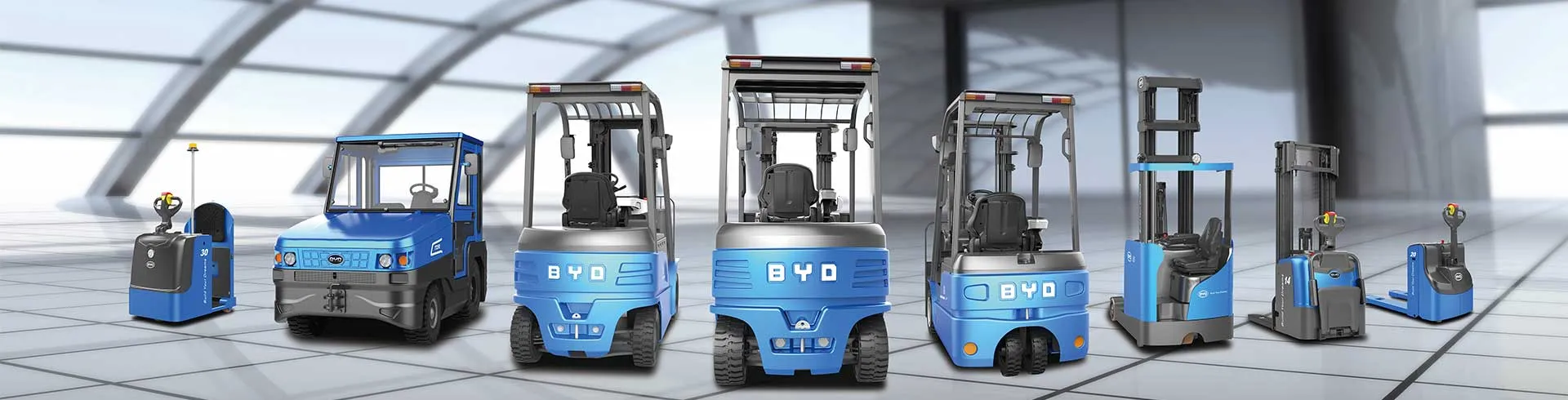
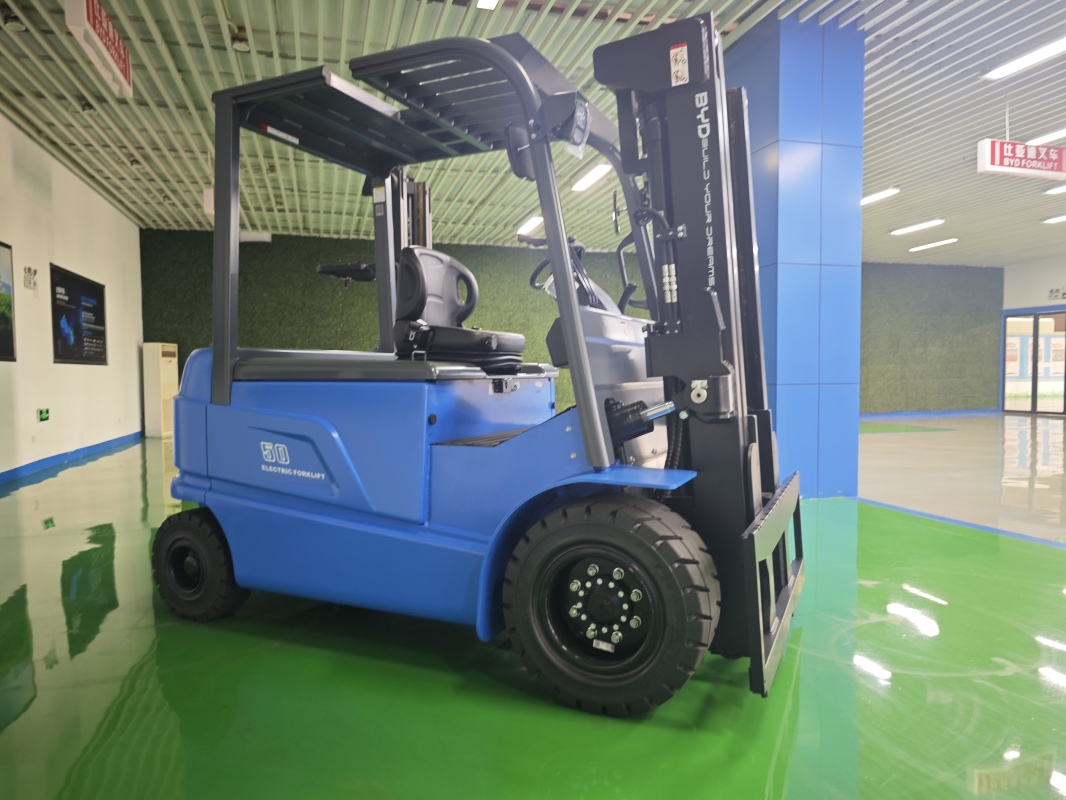
When evaluating the true cost of operating an electric forklift per hour, businesses must look beyond the initial purchase price. Understanding the key cost components enables accurate budgeting, better fleet decisions, and improved operational efficiency. This article outlines the main factors that contribute to the hourly cost, presented in a straightforward, factual manner without exaggeration.
1. Purchase or Lease Cost
The initial investment—whether through outright purchase, financing, or leasing—is a major component. For an electric forklift, the acquisition cost is generally higher than its internal combustion counterpart, but this is offset by lower ongoing expenses. Depreciation should be spread over the expected service life (often 8–10 years) to derive a per‑hour capital cost.
2. Battery and Charging Infrastructure
Batteries are a significant recurring expense. Lead‑acid batteries require regular watering and eventual replacement, while lithium‑ion options offer longer life and faster charging but come with a higher upfront price. Charging equipment, including the charger and installation, also adds to the hourly cost. Proper charging practices can extend battery life, reducing replacement frequency.
3. Energy (Electricity) Cost
Electricity consumption is the main variable cost. Calculate the forklift’s kilowatt‑hour (kWh) usage per hour of operation, multiplied by your local commercial electricity rate. Energy efficiency differs between models; choosing a high‑efficiency drive system lowers this component. Peak demand charges and time‑of‑use rates should also be considered.
4. Maintenance and Repairs
Electric forklifts have fewer moving parts than diesel or LPG models, leading to lower maintenance needs. However, components such as tires, hydraulics, and electrical controls still require regular inspection and occasional replacement. Common cost items include tire wear, hydraulic oil changes, brake pad replacement, and controller diagnostics. A preventive maintenance plan helps avoid unexpected breakdowns.
5. Operator and Labor Costs
While the forklift itself consumes resources, the operator’s wage, benefits, and training contribute to the total hourly cost. Although labor cost is not directly tied to the machine, it is often included in cost‑per‑hour analyses to represent the total expense of moving material. Training on proper battery handling and energy‑saving driving techniques can reduce overall operating costs.
6. Ancillary Expenses
Other factors include facility charging area costs, insurance, and disposal fees for worn‑out batteries or components. For fleets, a shared charging infrastructure can lower per‑unit overhead.
Balanced Perspective
No single component dominates the hourly cost; the mix depends on usage patterns, energy prices, and maintenance practices. For example, a warehouse running two shifts per day may see energy cost as a larger share than one operating only one shift. Realistic data—not marketing claims—should guide decisions.
We recommend consulting with experienced suppliers like Jianshu New Energy and BYD Forklift to understand the specific cost structure for your application. For further assistance, contact us at 17399989919@163.com. Our team provides straightforward information to help you calculate an accurate electric forklift cost per hour, free from exaggerated promises. By analyzing each component transparently, you can optimize your investment and achieve sustainable material handling operations.


