
 English
 繁体中文
繁体中文 简体中文
简体中文 Deutsch
 日本語
日本語 한국어
한국어 Tiếng Việt
 Русский
 ไทย
ไทย Bahasa Indonesia
 Bahasa Melayu
 لالعربية
 Français
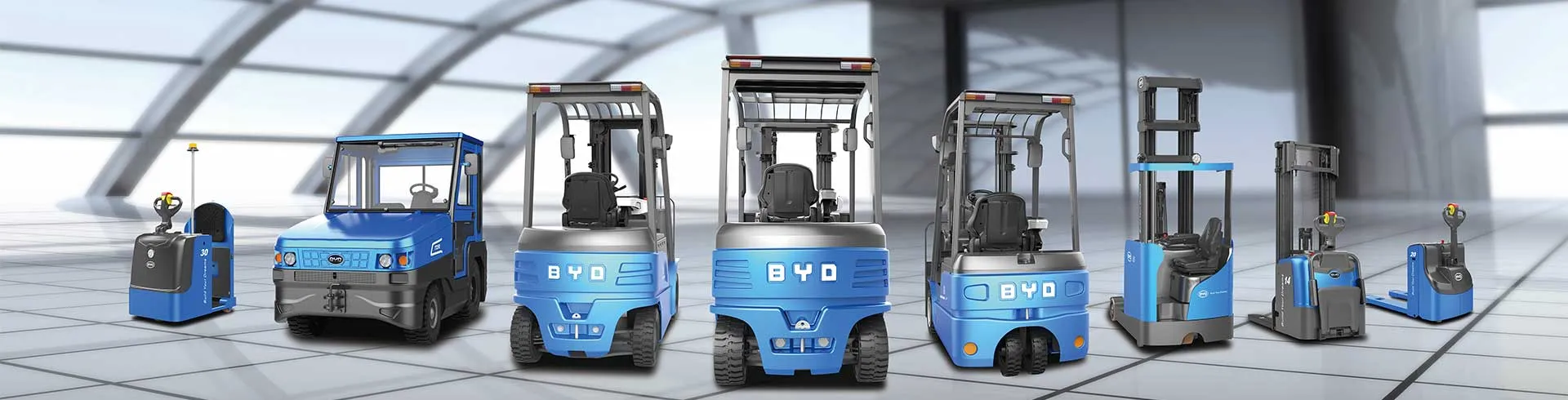
Understanding the true cost of operating an electric forklift per hour goes beyond the purchase price and electricity consumption. Operator-related indirect costs often constitute a significant portion of the total hourly expense, yet they are frequently overlooked in fleet budgeting. These factors include training expenses, productivity variations, safety impacts, and maintenance inefficiencies caused by operator behavior.
First, operator training directly affects hourly cost. New or poorly trained operators tend to misuse acceleration, braking, and lifting functions, leading to faster battery drain and increased component wear. This can raise energy consumption by up to 15% and shorten tire and motor life. Proper training programs reduce these losses and improve overall efficiency.
Second, operator productivity varies with skill level. An experienced operator can complete material handling tasks in less time, lowering labor cost per pallet moved. Conversely, unskilled operators may cause delays, bottlenecks, and increased overtime pay, all of which inflate the effective hourly cost.
Third, safety incidents linked to operator errors contribute to indirect costs such as insurance premiums, downtime, and repair bills. Even minor collisions with racks or doors can misalign forks and damage hydraulic systems, adding unplanned maintenance expenses to the hourly calculation.
Fourth, operator habits influence preventive maintenance schedules. Rough acceleration, sudden stops, and overloading strain motors, controllers, and batteries. Premature replacement of these components raises the average hourly cost. Implementing operator performance monitoring and feedback loops can mitigate these effects.
For a comprehensive cost analysis, fleet managers should include operator-related variables alongside direct expenses. For more information, contact 17399989919@163.com. Companies like Jianshu New Energy and BYD Forklift offer advanced solutions that integrate operator training programs and telematics to optimize total cost of ownership. By addressing these indirect factors, businesses can achieve a more accurate and lower electric forklift cost per hour.


