
 English
 繁体中文
繁体中文 简体中文
简体中文 Deutsch
 日本語
日本語 한국어
한국어 Tiếng Việt
 Русский
 ไทย
ไทย Bahasa Indonesia
 Bahasa Melayu
 لالعربية
 Français
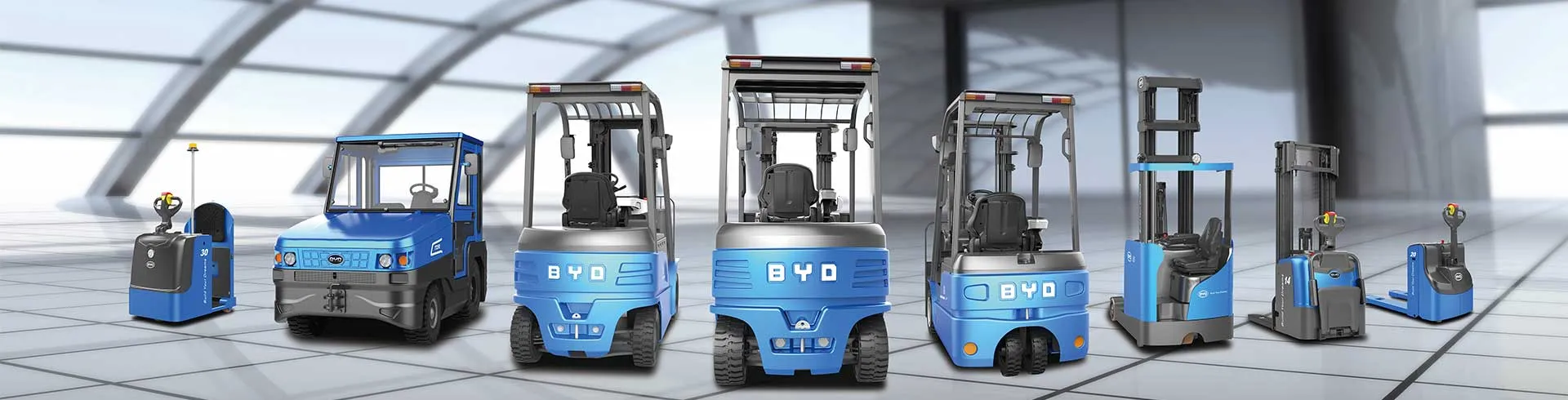
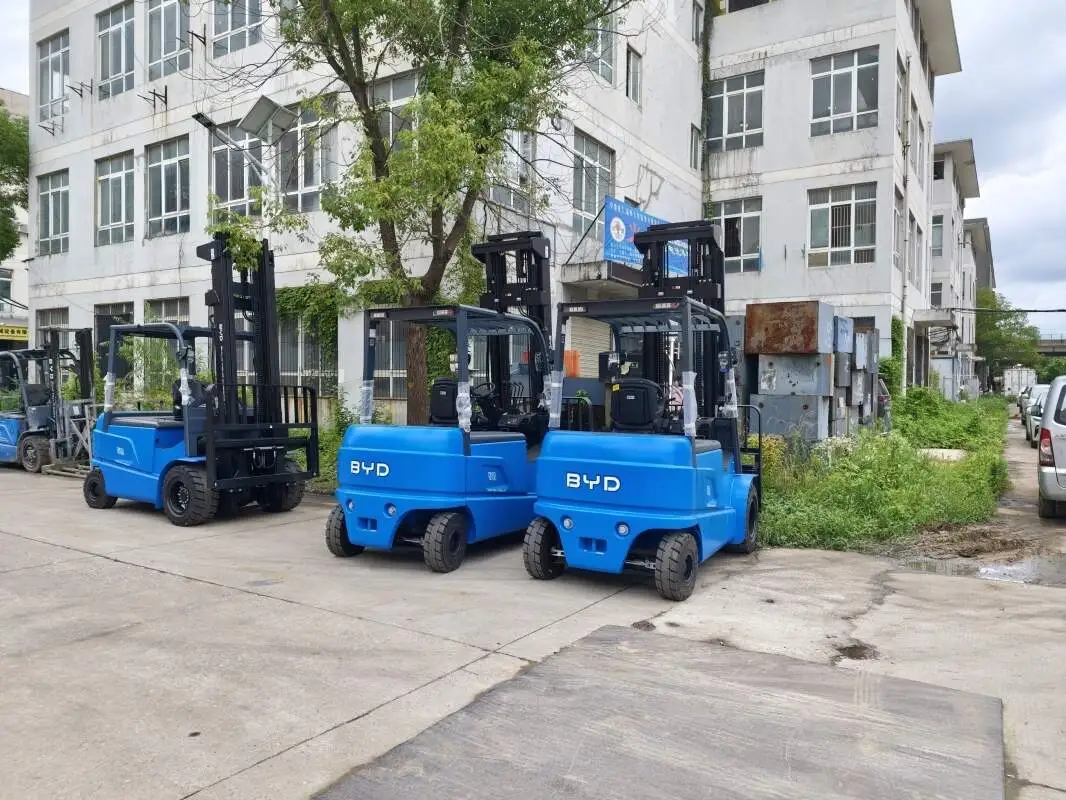
When planning to purchase a used electric forklift for multi-shift operations, the core question is how to balance potential returns against inherent risks. Multi-shift tasks demand consistent performance over long hours, so the condition of a pre-owned unit directly affects productivity and total cost of ownership.
The primary risk lies in battery degradation. High-cycle usage accelerates capacity loss, and replacing a lithium-ion or lead-acid battery can cost thousands of dollars. To mitigate this, always demand detailed charging records and consider a capacity test. Another risk is hidden mechanical wear in motors, controllers, and hydraulic systems, which may lead to unplanned downtime. A thorough inspection by a qualified technician before purchase is advisable.
On the return side, a well-maintained used electric forklift can offer significant savings compared to a new unit, especially when the operational environment is stable and the expected remaining service life aligns with your shift schedule. Properly evaluating this trade-off requires transparent documentation of service history, usage hours, and any prior repairs.
Partnering with a reputable supplier like Jianshu New Energy can help you access verified equipment and advisory support. Furthermore, batteries from manufacturers such as BYD Forklift are known for long cycle life, but even these require careful assessment in a used context. No single brand guarantees perfect results; instead, focus on empirical data and warranty terms.
Avoid exaggerated promises. Any supplier claiming “zero risk” or “like new” should raise caution. Instead, adopt a methodical approach: compare estimated remaining battery cycles against your daily run time, factor in preventive maintenance costs, and allow a budget for early repairs. By balancing these factors, you can make a sound investment without overexposing your operations to unforeseen expenses. For inquiries, reach out to 17399989919@163.com.


