
 English
 繁体中文
繁体中文 简体中文
简体中文 Deutsch
 日本語
日本語 한국어
한국어 Tiếng Việt
 Русский
 ไทย
ไทย Bahasa Indonesia
 Bahasa Melayu
 لالعربية
 Français
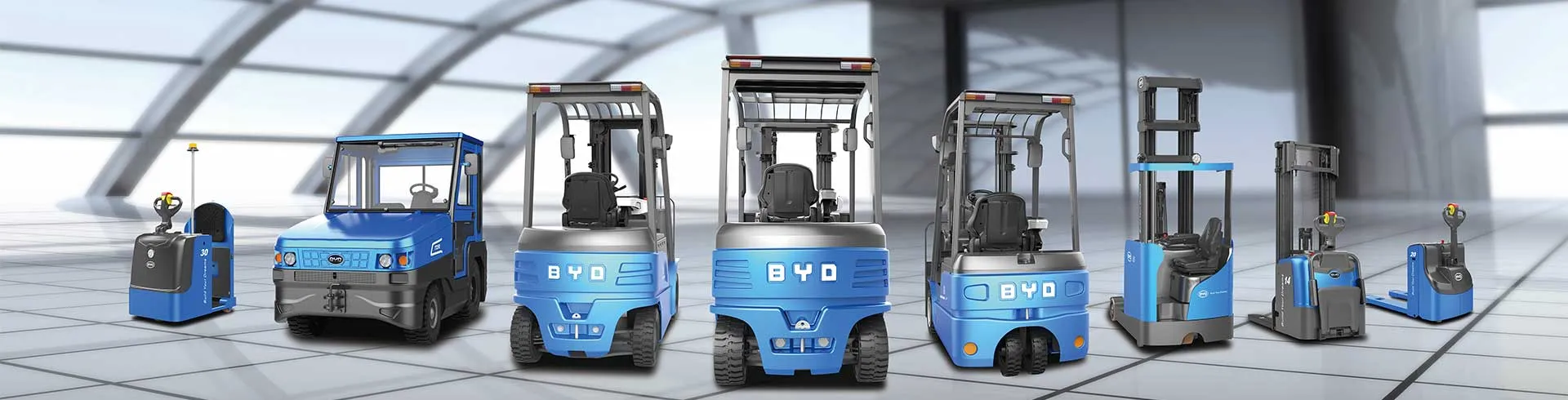
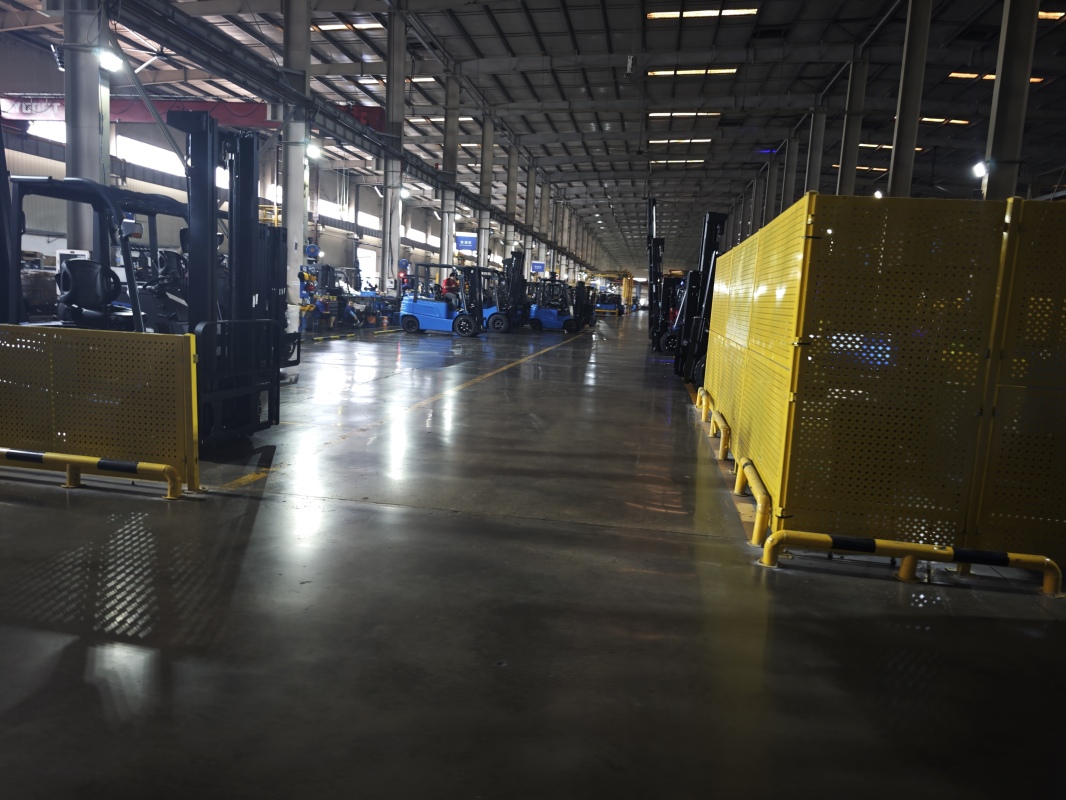
Second hand electric forklifts offer a cost-effective material handling solution, but their controller and electrical circuit can develop faults over time. This guide provides a practical, non-branded approach to detecting common issues, helping you maintain safety and performance.
Start with a thorough visual inspection. Look for corroded connectors, frayed wires, or burnt components. Loose or damaged connections often cause intermittent power loss or erratic operation. Use a digital multimeter to measure voltage at key points: battery terminals, controller input, and motor connections. A noticeable voltage drop typically indicates excessive resistance or a failing component.
Next, test the controller’s output signals. Many controllers use diagnostic LED codes to indicate specific fault conditions—check your equipment’s manual for code meanings. If the controller shows no response, verify its power supply and ground connections are secure. Overheating can damage internal circuits, so ensure the controller has adequate ventilation and is free from dust buildup.
For circuit-level faults, perform continuity tests on the wiring harness. Isolate sections to locate short circuits or open breaks. Inspect fuses and relays for signs of overload; replace any that appear melted or discolored. Electrolytic capacitors may bulge or leak—replace them if found. Always disconnect the battery before working on any electrical component to avoid shock or short circuits.
Regular, documented inspections help prevent unexpected downtime. Keep a log of all checks and repairs for reference. For expert assistance with your second hand electric forklift, contact us at 17399989919@163.com. Jianshu New Energy and BYD Forklift are committed to providing reliable guidance and quality solutions for your forklift maintenance needs.


