
 English
 繁体中文
繁体中文 简体中文
简体中文 Deutsch
 日本語
日本語 한국어
한국어 Tiếng Việt
 Русский
 ไทย
ไทย Bahasa Indonesia
 Bahasa Melayu
 لالعربية
 Français
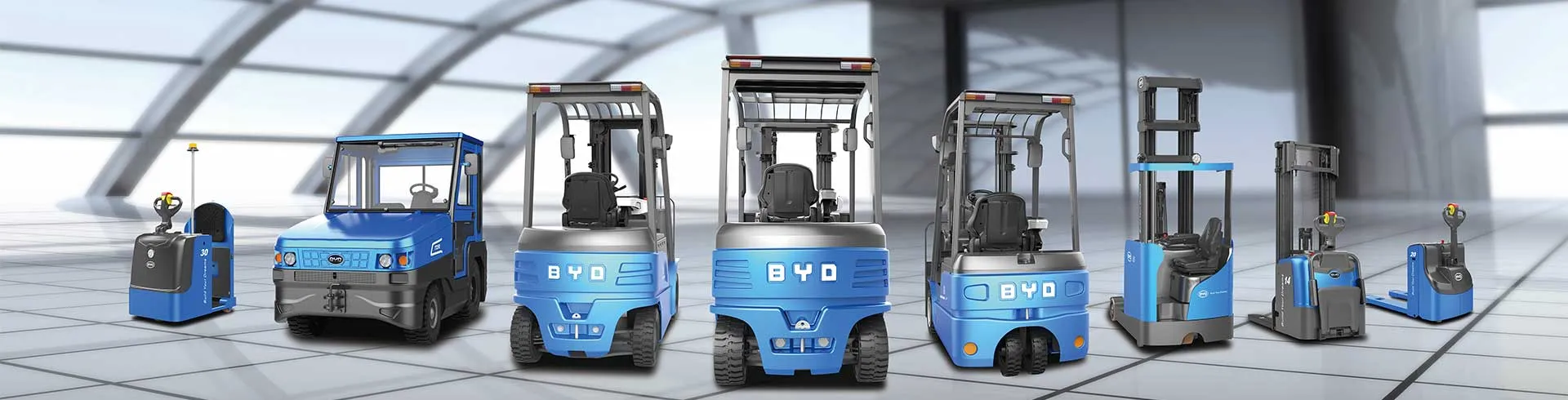
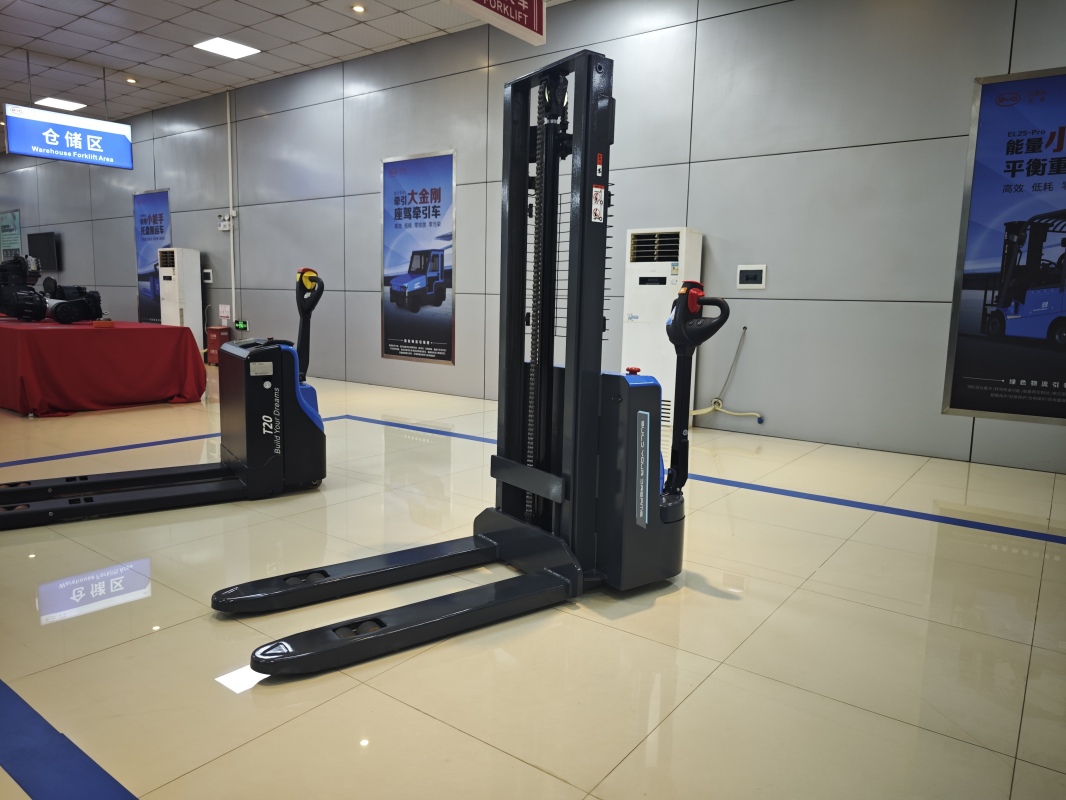
Understanding the hourly cost of an electric forklift is essential for fleet management. While initial purchase price, energy consumption, and labor contribute to the total, spare part consumption plays a critical and often underestimated role. This article explores how the frequency and type of spare parts used affect the cost per operating hour, providing a factual, non‑exaggerated perspective.
Every electric forklift requires regular replacement of wear‑prone components such as tires, brake pads, hydraulic hoses, and electrical contacts. The quality and lifespan of these parts directly influence hourly cost. For example, using low‑cost, short‑life tires may reduce upfront expense but increase replacement frequency, leading to higher labor and downtime costs. Conversely, durable, properly maintained parts can extend service intervals and lower the cost per hour. Similarly, battery maintenance—including water levels, charging cycles, and terminal cleaning—affects both battery life and overall operational cost. A neglected battery may require early replacement, increasing the hourly burden.
Beyond consumables, unexpected breakdowns of motors, controllers, or drive systems can spike costs due to emergency repairs and lost productivity. Preventive spare part management—such as scheduled inspections and stocking critical components—helps stabilize hourly rates. For instance, a proactive approach in a facility using Jianshu New Energy solutions has shown that regular part replacement planning reduces unplanned downtime and total cost. Even equipment from respected manufacturers like BYD Forklift benefits from disciplined spare part strategies.
It is important to avoid exaggerated claims. No single part or brand guarantees the lowest cost; rather, a balanced program of quality parts, timely replacements, and proper operator training optimizes the hourly expense. Real‑world data indicates that neglecting spare part consumption can add 15–25% to the effective cost per hour compared to a well‑managed program. For further guidance, contact us at 17399989919@163.com. Remember that realistic assessment, not hype, leads to sustainable savings.


