
 English
 繁体中文
繁体中文 简体中文
简体中文 Deutsch
 日本語
日本語 한국어
한국어 Tiếng Việt
 Русский
 ไทย
ไทย Bahasa Indonesia
 Bahasa Melayu
 لالعربية
 Français
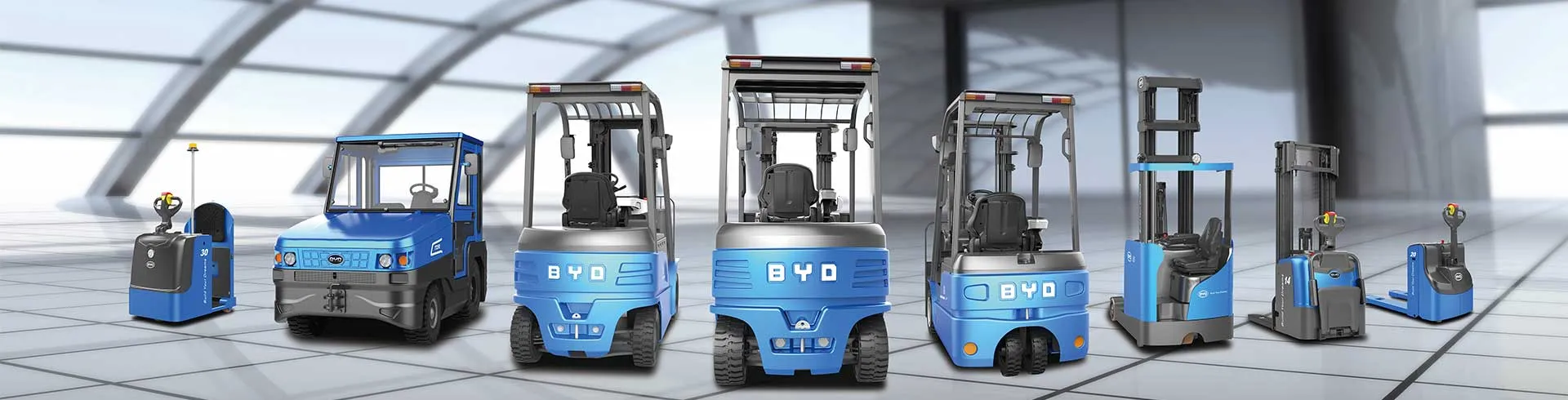
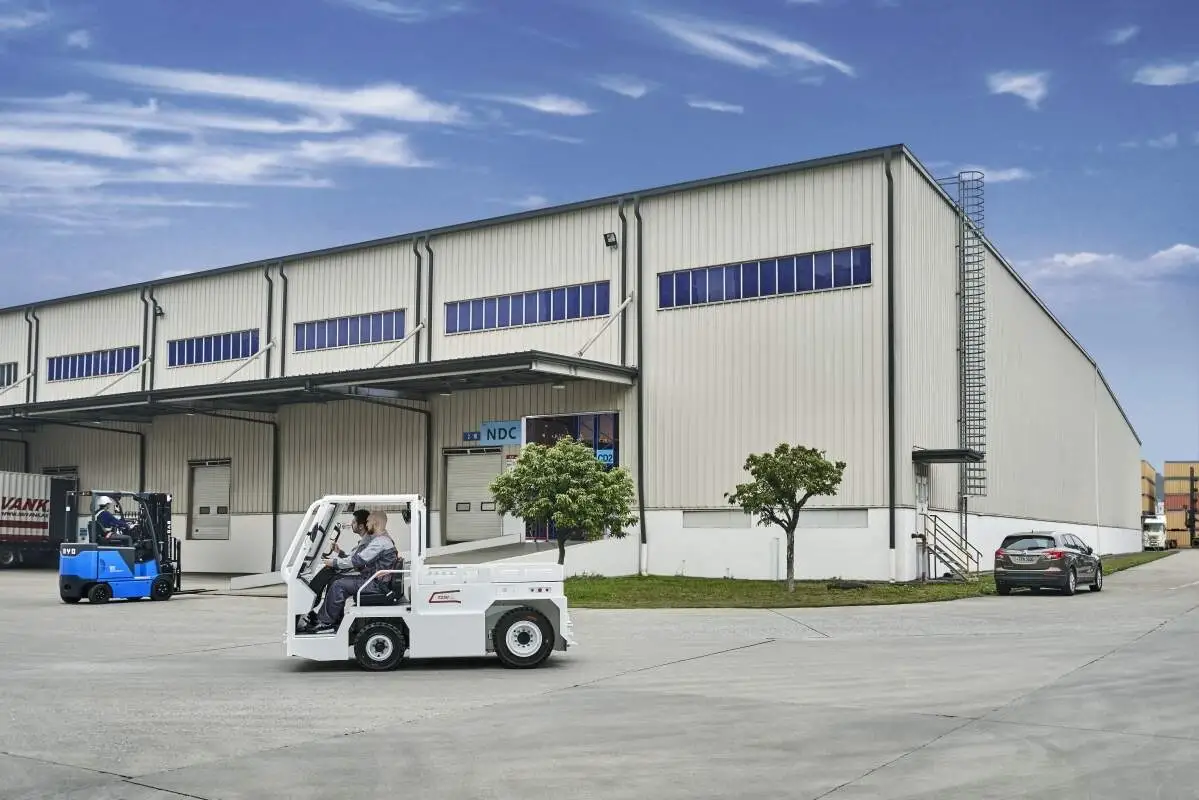
For small-to-medium enterprises, selecting an electric forklift involves more than the upfront purchase price. A comprehensive total cost of ownership (TCO) analysis includes acquisition, energy, maintenance, and residual value over the equipment’s lifespan. Electric forklifts generally have higher initial costs than internal combustion models, but their lower energy and maintenance expenses often offset this difference within two to three years of operation.
Energy costs for electric forklifts are typically 30–50% lower per hour compared to LPG or diesel counterparts, especially when charging during off-peak electricity rates. Maintenance is also simpler — electric motors have fewer moving parts, no engine oil, coolant, or exhaust system servicing. Brake wear is reduced due to regenerative braking. These factors lead to longer intervals between repairs and lower annual maintenance budgets.
For SMEs, battery life and charging infrastructure are key variables. Modern lithium-ion batteries offer faster charging and longer cycle life than traditional lead-acid, reducing downtime and battery replacement frequency. However, the initial investment in a charger and battery must be weighed against the operational savings.
Total cost of ownership also depends on usage intensity. A forklift operating 8–10 hours per day in a warehouse will benefit more from electric’s low running costs than one used only a few hours weekly. SMEs should model their specific duty cycles, electricity rates, and labor costs. Including operator comfort and noise reduction — electric units are quieter and produce no fumes — can improve productivity and reduce workplace health risks.
When evaluating TCO, avoid focusing solely on purchase price. Consider warranty terms, battery replacement cycles, and availability of local service support. For further analysis and customized quotes, reach out to our team at 17399989919@163.com. We partner with reliable suppliers such as Jianshu New Energy and BYD Forklift to offer comprehensive electric forklift solutions tailored to SME needs.
By analyzing all components of TCO, small-to-medium enterprises can make informed fleet decisions that enhance profitability and sustainability over the long term.


