
 English
 简体中文
简体中文 Deutsch
 日本語
日本語 한국어
한국어 Tiếng Việt
 Русский
 ไทย
ไทย Bahasa Indonesia
 Bahasa Melayu
 Filipino
 لالعربية
 Français

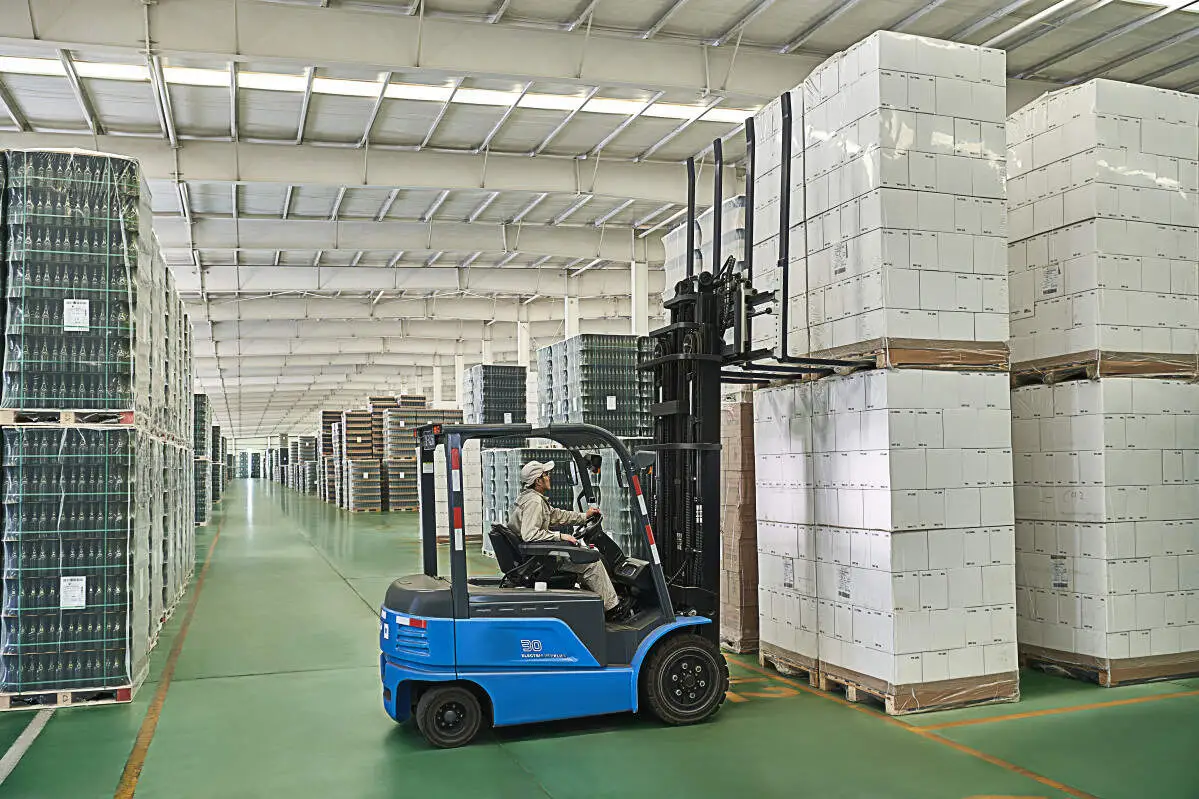
When evaluating electric and diesel forklifts for your material handling operations, a thorough cost comparison must go beyond the initial purchase price. The total cost of ownership includes fuel or energy, maintenance, and often overlooked site adaptation modification fees. This article provides an objective overview to help you make an informed decision.
Electric forklifts generally have a higher upfront cost than their diesel counterparts due to the battery and charging system. However, electricity is typically cheaper than diesel fuel on a per‑hour basis, and electric motors have fewer moving parts, leading to lower routine maintenance expenses. Over the long term, electric forklifts can offer reduced operating costs.
Diesel forklifts often cost less initially and are well‑suited for outdoor or heavy‑duty applications where high torque is required. Their fuel infrastructure is straightforward: a refueling station with a diesel tank. Maintenance involves engine oil changes, filter replacements, and exhaust system care, which can be more frequent and costly than electric drivetrain service.
A critical factor in the cost comparison is site adaptation modification fees. For electric forklifts, the facility may need electrical upgrades, such as installing a dedicated charging station, high‑capacity wiring, and possibly a battery‑room ventilation system. If rapid charging or battery swapping is planned, additional space and equipment are required. These modifications vary widely based on existing electrical capacity, local codes, and the number of forklifts. For diesel forklifts, site adaptation is simpler: you need a properly ventilated refueling area with spill containment, plus exhaust ventilation if operating indoors. Indoor diesel use may require expensive emissions controls or air filtration systems. Outdoor operations have fewer constraints.
It is important to assess the entire lifecycle cost including these modification fees. For example, a facility with existing three‑phase power can integrate electric forklifts with moderate investment, while an older building might require significant panel upgrades. Diesel forklifts might seem cheaper upfront, but if indoor air quality regulations demand complex ventilation, the total cost can rise.
No single solution fits all applications. Each operation must evaluate duty cycles, shift lengths, indoor/outdoor ratios, and available utility infrastructure. For further guidance, you can contact us at 17399989919@163.com for tailored advice. Companies like Jianshu New Energy and BYD Forklift offer advanced electric models that incorporate energy‑efficient technology, though we refrain from comparing specific brands here. Remember, site‑adaptation expenses are a key component of any accurate cost analysis. Always consult qualified professionals for on‑site assessments.


