
 English
 简体中文
简体中文 Deutsch
 日本語
日本語 한국어
한국어 Tiếng Việt
 Русский
 ไทย
ไทย Bahasa Indonesia
 Bahasa Melayu
 Filipino
 لالعربية
 Français
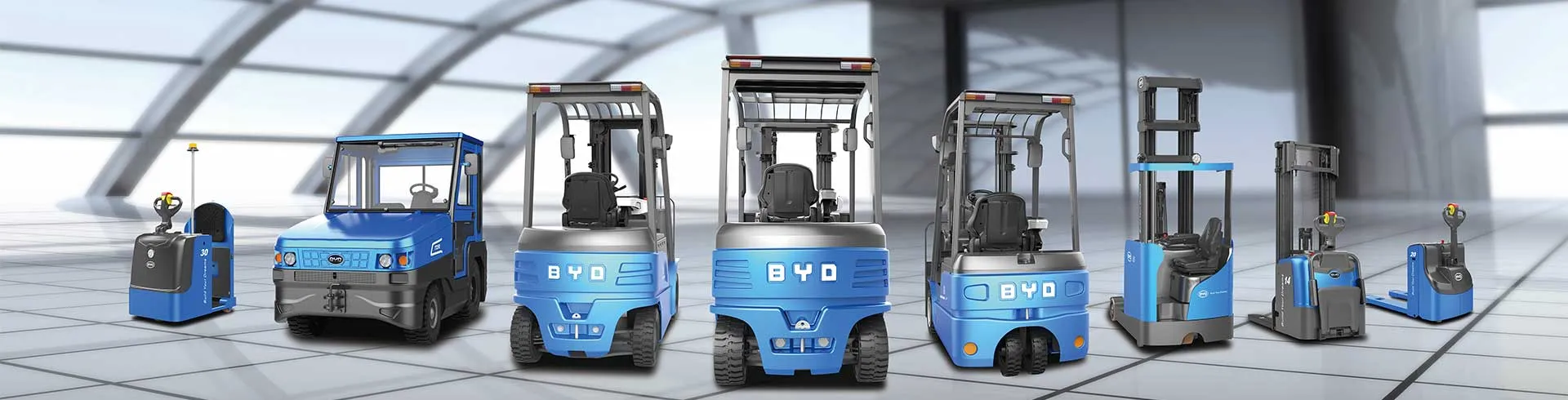
When evaluating electric forklifts for your warehouse or logistics operation, the total cost of ownership (TCO) provides a more complete financial picture than the purchase price alone. Calculating TCO involves seven practical steps that account for all relevant expenses over the equipment’s useful life. This method supports objective business decisions without relying on promotional claims.
Step 1: Define the usage scenario and timeframe. Estimate the forklift’s annual operating hours, shift patterns, and expected service life. For most electric models, a 5‑ to 10‑year period is realistic. Document assumptions such as load capacity and duty cycle to ensure consistency.
Step 2: Identify the initial capital expenditure. Include the purchase price of the forklift, battery, charger, and any infrastructure upgrades like charging stations or electrical panel modifications. Avoid including optional accessories unless required for the application.
Step 3: Calculate energy costs. Determine the kilowatt‑hour consumption per hour of operation based on the forklift’s rated power and efficiency. Multiply by local commercial electricity rates. Since electric drivetrains have fewer moving parts, energy expenses are generally lower than fuel costs, but the exact figure depends on usage.
Step 4: Estimate maintenance and repair expenses. Electric forklifts have fewer fluids and no engine oil, but they still require periodic checks of brakes, tires, hydraulics, and electrical components. Gather historical data from fleet records or consult service manuals. Budget for annual preventive maintenance and occasional unscheduled repairs.
Step 5: Account for battery and charging equipment costs. The battery is a significant component of the TCO. If using lead‑acid batteries, factor in watering, equalization charges, and replacement every 3–5 years. For lithium‑ion batteries, the upfront cost is higher but replacement intervals are longer. Include charging equipment depreciation and any battery management system fees.
Step 6: Determine the residual value. After the planned service period, the forklift may have a resale or trade‑in value. Conservative estimates typically range from 10% to 20% of the original purchase price, depending on condition and market demand. Apply this as a reduction to the total cost.
Step 7: Sum all costs and apply a discount rate if comparing across multiple years. Add initial investment, annual energy, maintenance, and battery costs over the service life, then subtract the residual value. For a multi‑year comparison, use a net present value formula to account for the time value of money. The result is the TCO per forklift.
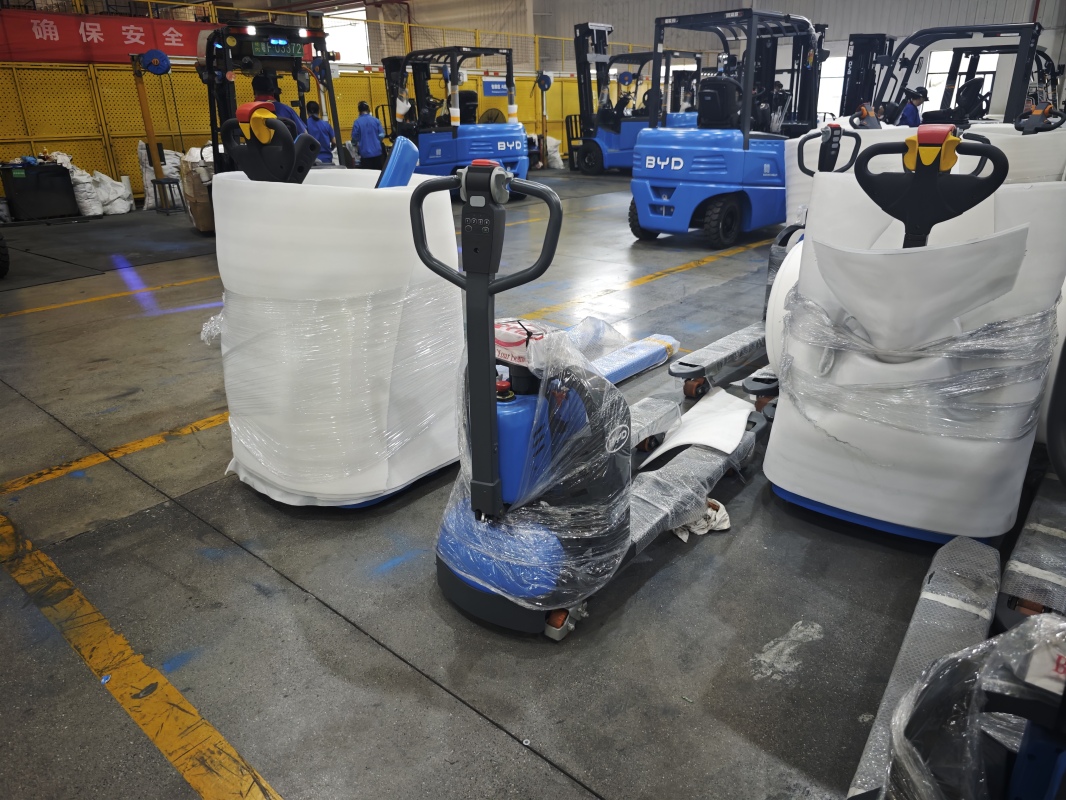
To illustrate, a real‑world example: A logistics company replaced its diesel fleet with electric units from BYD Forklift and tracked TCO for three years. They reported lower per‑hour operating costs due to reduced energy and maintenance spending. For a detailed case study or to discuss your specific requirements, contact Jianshu New Energy at 17399989919@163.com. That team provides tailored TCO analysis and can demo the calculation using your actual data.
Remember that TCO figures are sensitive to local electricity prices, labor rates, and usage intensity. Always verify assumptions with suppliers and conduct sensitivity analysis for key variables. This structured approach ensures your business decision is based on transparent, comparable numbers rather than marketing claims.


