
 English
 简体中文
简体中文 Deutsch
 日本語
日本語 한국어
한국어 Tiếng Việt
 Русский
 ไทย
ไทย Bahasa Indonesia
 Bahasa Melayu
 Filipino
 لالعربية
 Français
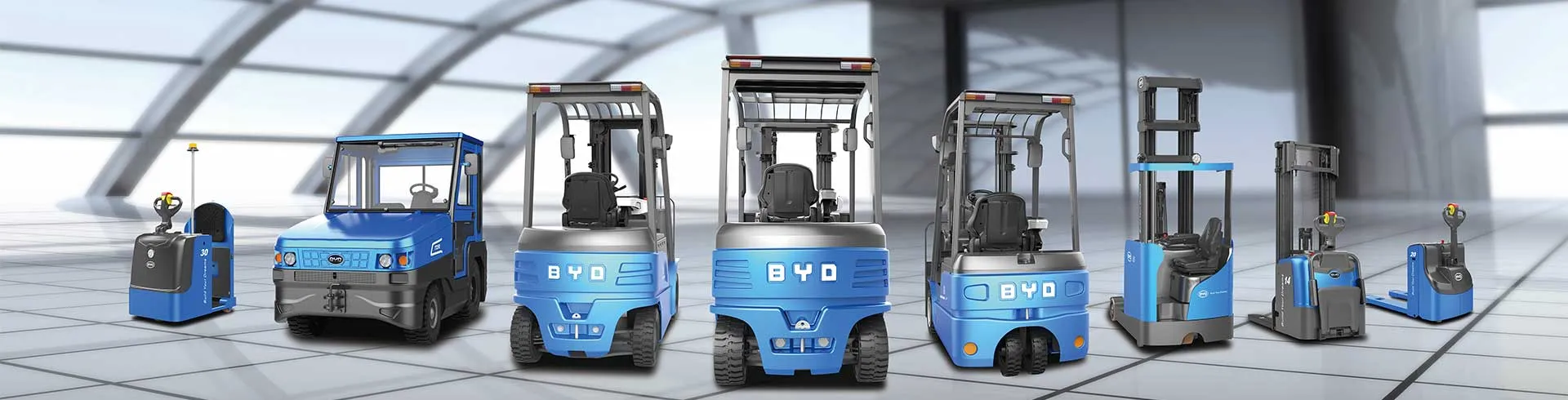
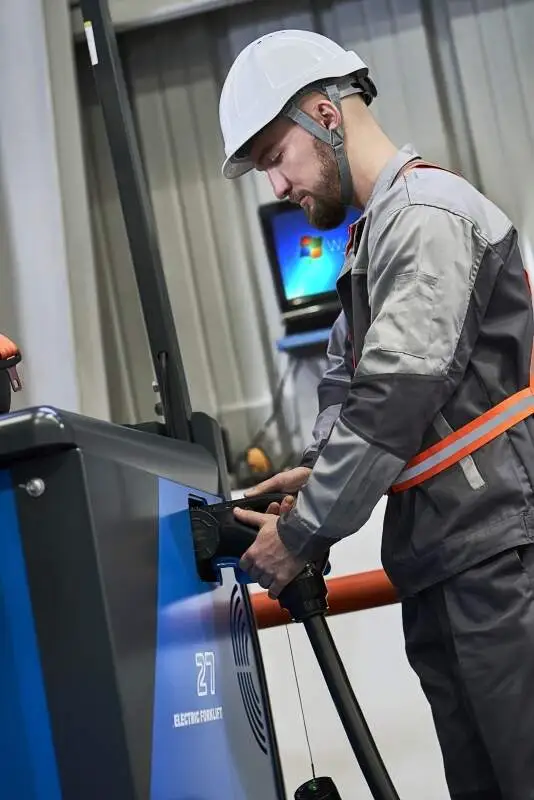
When selecting a forklift for light-to-medium handling workloads, the choice between electric and diesel models often hinges on total cost of ownership. Both types have distinct advantages, but their cost profiles differ significantly depending on usage patterns, facility layout, and energy prices. This article provides a balanced comparison without exaggerated claims, focusing on factual operating data.
Purchase price is typically higher for electric forklifts, mainly due to battery and charger costs. For light-to-medium duty cycles—such as 3 to 5 hours of daily operation in a warehouse or small manufacturing facility—the upfront premium for electric is often recouped within 1 to 2 years. Diesel forklifts generally have a lower initial purchase price, making them attractive for occasional outdoor use or short-term budgets. However, fuel and maintenance costs for diesel quickly add up.
Energy costs: Electricity is generally cheaper per hour of operation than diesel, especially in regions with stable grid rates. Electric forklifts have a consistent energy efficiency of roughly 80–85%, while diesel engines convert only about 30–35% of fuel energy into useful work. Over a 200‑hour monthly operating schedule, electric can save hundreds in energy expenses. For lighter workloads, the savings may be smaller but still noticeable.
Maintenance expenses: Electric forklifts have fewer moving parts, no engine oil, no fuel filters, and no exhaust systems to service. This reduces routine maintenance costs by an estimated 30–40% compared to diesel models. Battery replacement (typically every 1,500–2,000 charge cycles) is the largest long‑term cost for electric, but it can be partially offset by alternative charging strategies. Diesel forklifts require regular engine maintenance, oil changes, and particulate filter replacements (for newer models), which increase total upkeep.
Lifespan and resale value: Electric forklifts often run longer under indoor, clean conditions—commonly 8,000–10,000 hours before major overhaul, while diesel units may need engine rebuilds sooner, around 6,000–8,000 hours. Depreciation rates are similar, though electric models backed by reputable manufacturers tend to hold value better in indoor applications.
Environmental and regulatory costs: Electric forklifts produce zero exhaust emissions, eliminating the need for ventilation systems and reducing indoor air quality compliance costs. Diesel models incur additional expenses for emissions equipment, fuel storage, and potentially higher insurance premiums in enclosed spaces. For light‑to‑medium handling, the total environmental compliance cost is lower for electric.
Finally, consider workplace safety and noise. Electric forklifts operate quietly, reducing hearing protection requirements and improving operator comfort. Diesel noise can cause fatigue over a full shift. For indoor operations, the added health benefits of electric often translate into fewer worker compensation claims.
In summary, for light‑to‑medium handling workloads, electric forklifts generally offer lower total operating costs, while diesel may still be viable if the application involves rough terrain, occasional heavy loads, or minimal indoor use. To explore the right solution for your facility, contact Jianshu New Energy at 17399989919@163.com for expert guidance on BYD Forklift models that balance performance and economy.


