
 English
 简体中文
简体中文 Deutsch
 日本語
日本語 한국어
한국어 Tiếng Việt
 Русский
 ไทย
ไทย Bahasa Indonesia
 Bahasa Melayu
 Filipino
 لالعربية
 Français
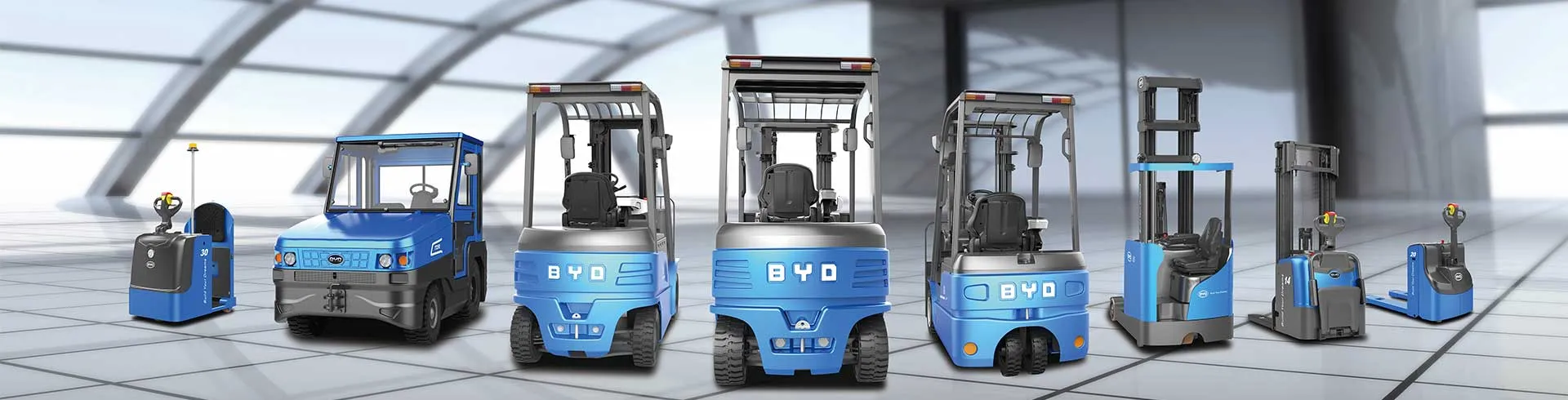
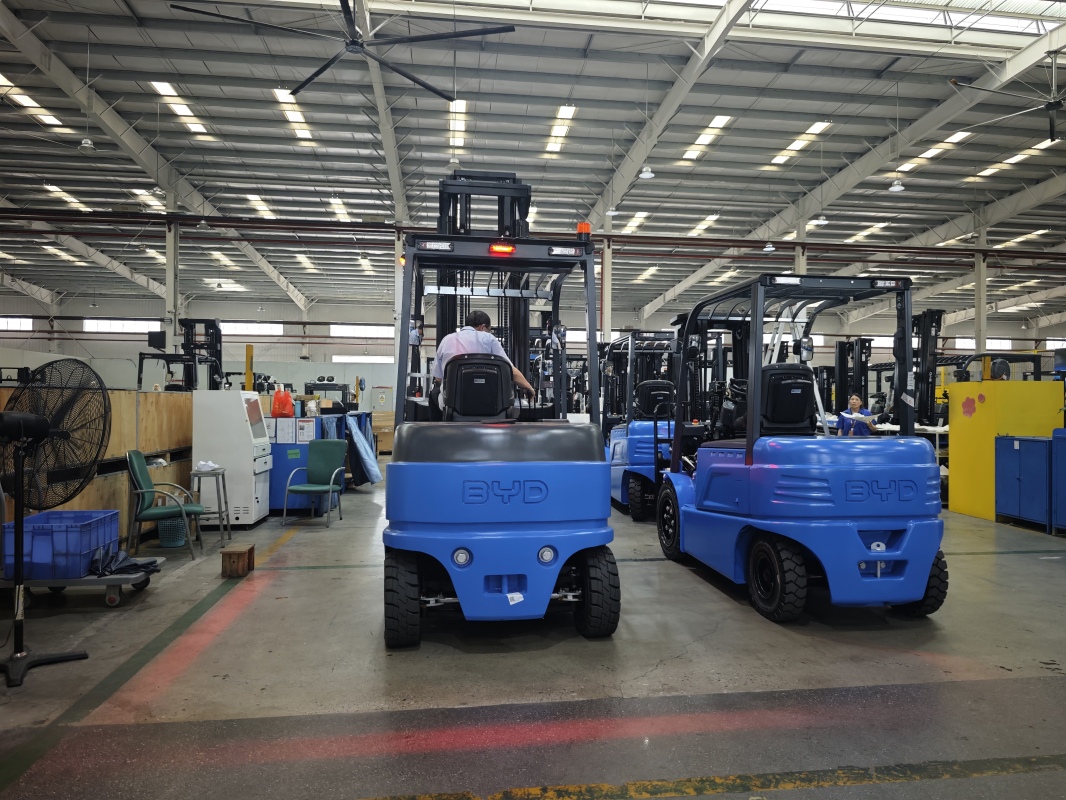
When choosing an electric forklift, the voltage system—48V or 80V—affects not only performance but also long-term maintenance needs. Understanding these differences helps operators plan budgets and upkeep schedules more effectively.
Battery Maintenance
48V forklifts typically use lead-acid or lithium batteries with lower energy density. Lead-acid versions require regular water topping, equalization charging, and cleaning of terminals. The lower voltage means larger current for the same power output, which can accelerate battery wear if charging is not properly managed.
80V systems often employ higher-voltage lithium-ion or advanced lead-acid packs. The higher voltage reduces current draw, which lessens heat generation and extends battery cycle life. However, their battery management systems (BMS) are more complex, requiring diagnostic software updates and occasional calibration. Maintenance personnel need training to handle BMS error codes safely.
Motor and Controller Complexity
48V motors are generally simpler in design and easier to replace. Their controllers use standard IGBTs (insulated-gate bipolar transistors) that are widely available and inexpensive to repair. However, the higher current in 48V systems can cause more contactor wear and cable insulation stress over time.
80V motors often feature advanced winding and cooling techniques, making them more efficient but also more sensitive to voltage spikes. Controllers for 80V systems incorporate more sophisticated filtering and protection circuits. While these components are durable, diagnosing faults requires specialized multimeters and knowledge of high-voltage safety protocols.
Cabling and Connectors
48V forklifts use thicker cables to handle higher current, which are heavier and more rigid. Over time, repeated flexing can fatigue cable connections, leading to intermittent faults. Connectors are standard but may need more frequent tightening.
80V systems use thinner cables, reducing weight and improving flexibility. However, the connectors must withstand higher voltage stress, so they are often sealed and require specific removal tools. Any moisture ingress in an 80V connector can cause rapid corrosion, demanding more frequent inspection.
Safety and Training
Both systems require safety training, but 80V increases the risk of electric shock. Maintenance crews must be certified to work on high-voltage equipment, using insulated gloves and lockout procedures. 48V is more forgiving for basic tasks, but workers still need to respect battery acid and heavy lifting.
Practical Considerations
For fleets with existing 48V infrastructure, sticking with 48V may simplify technician training and spare parts inventory. For new installations, 80V offers lower energy losses and potentially longer battery life, at the cost of more specialized maintenance expertise.
Jianshu New Energy provides comprehensive servicing guides for both voltage levels, helping operators balance performance and upkeep costs. As a supplier of BYD Forklift lithium batteries, they emphasize that proper charging habits and routine inspections reduce maintenance complexity regardless of voltage. For any questions on forklift maintenance, contact 17399989919@163.com.
In summary, 48V forklifts are simpler to maintain for basic repairs and battery care, while 80V systems demand more advanced technical skills but reward with greater efficiency and reduced component stress. Choosing the right voltage depends on your team’s expertise and your facility’s long-term maintenance strategy.


