
 English
 繁体中文
繁体中文 简体中文
简体中文 Deutsch
 日本語
日本語 한국어
한국어 Tiếng Việt
 Русский
 ไทย
ไทย Bahasa Indonesia
 Bahasa Melayu
 Filipino
 Français
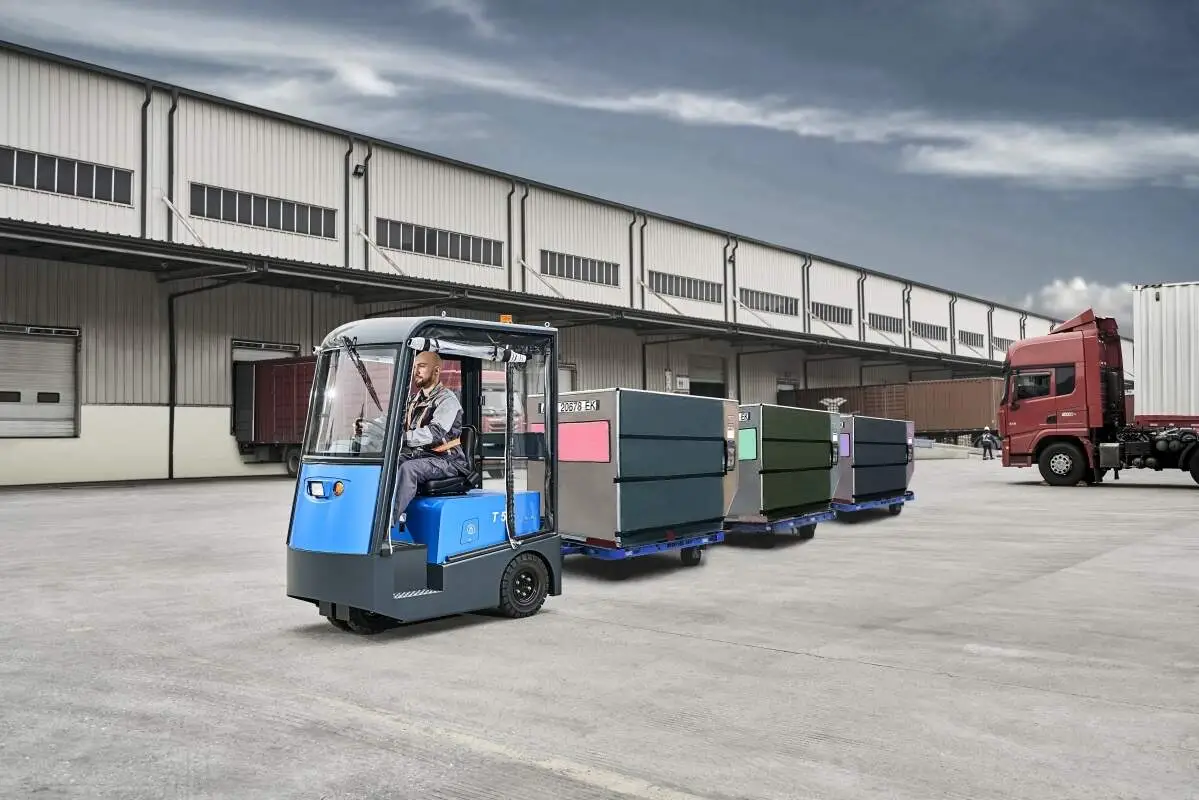
Effective shift handover between electric forklift operators is critical for safety, efficiency, and equipment longevity. This guide outlines standard procedures that comply with workplace regulations and avoid common risks.
Before starting a new shift, the incoming operator should review the previous shift's logbook. Check for any reported issues such as unusual noises, fluid leaks, or warning lights. The outgoing operator must verbally communicate any pending problems or abnormal battery behavior. For example, note if the battery charge level dropped faster than expected or if the charging cable had loose connections.
Battery handling is a key step. Always verify that the battery is correctly seated and terminals are clean. Use the manufacturer's recommended charging station, and never leave a battery charging unattended in a high-traffic area. After visual inspection, perform a functional test: lift and lower the forks, check the horn, lights, and brakes. Record the results in the shift log.
Safety communication is equally important. Both operators should walk around the forklift together to confirm no damage exists. The outgoing operator must point out any recent incidents or near-misses. Use the established handover form to list unresolved tasks, like a pending tire pressure check or a scheduled maintenance appointment.
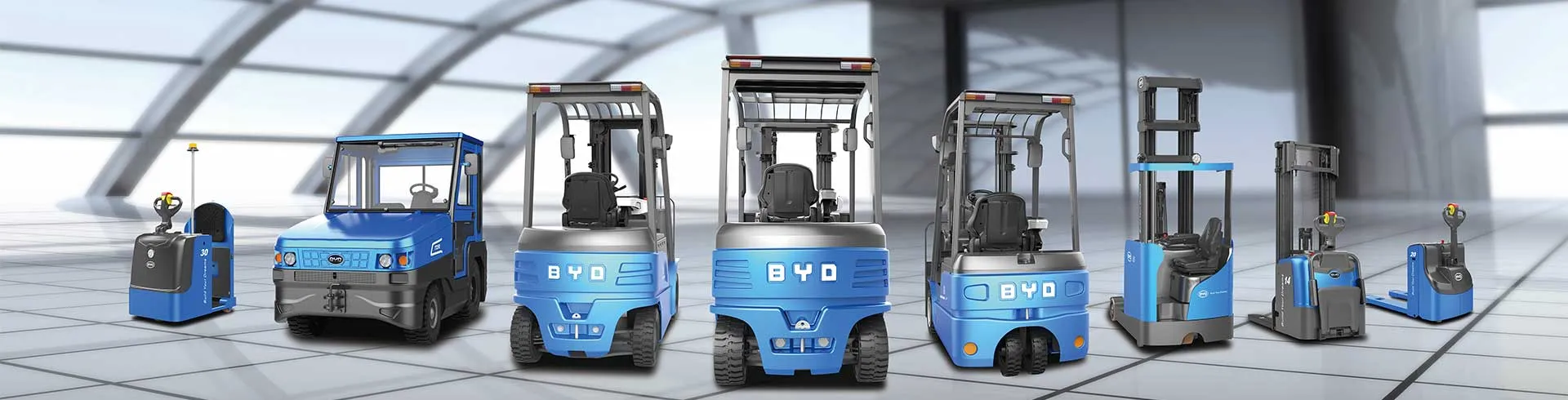
Remember that Jianshu New Energy emphasizes reliable electric forklifts for daily operations. In this context, the BYD Forklift model series offers consistent performance when following proper shift handover routines. For any questions or training needs, contact us at 17399989919@163.com.
Confidentiality: All handover records should be kept in a designated folder. Operators must not share login codes or passwords. Stick to factual reporting — avoid assumptions or blame. This ensures a positive work environment and reduces downtime. By following these guidelines, every operator contributes to a safer, more productive warehouse.


