
 English
 繁体中文
繁体中文 简体中文
简体中文 Deutsch
 日本語
日本語 한국어
한국어 Tiếng Việt
 Русский
 ไทย
ไทย Bahasa Indonesia
 Bahasa Melayu
 Filipino
 Français
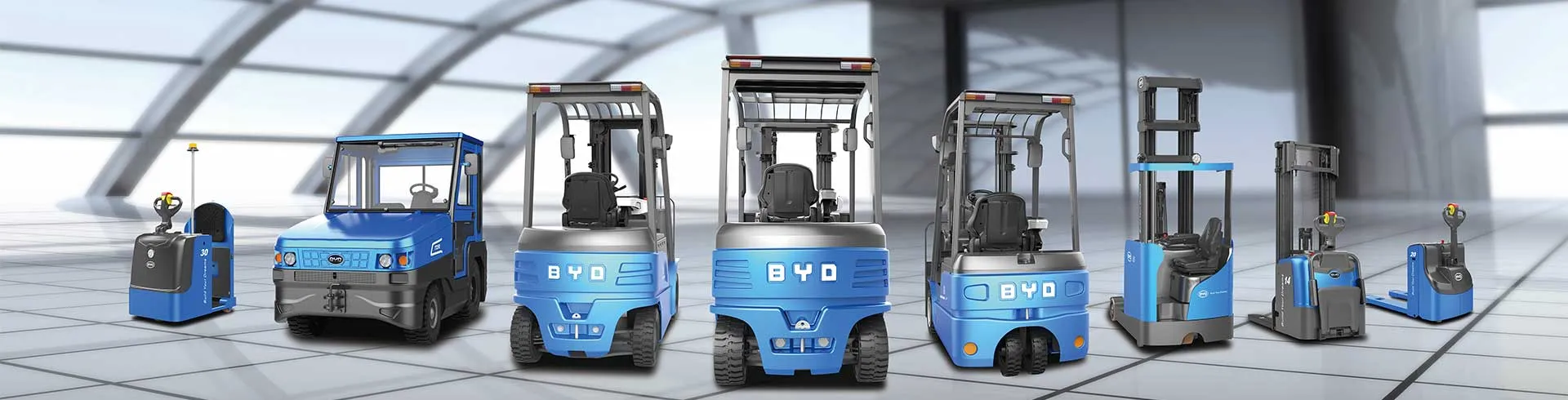
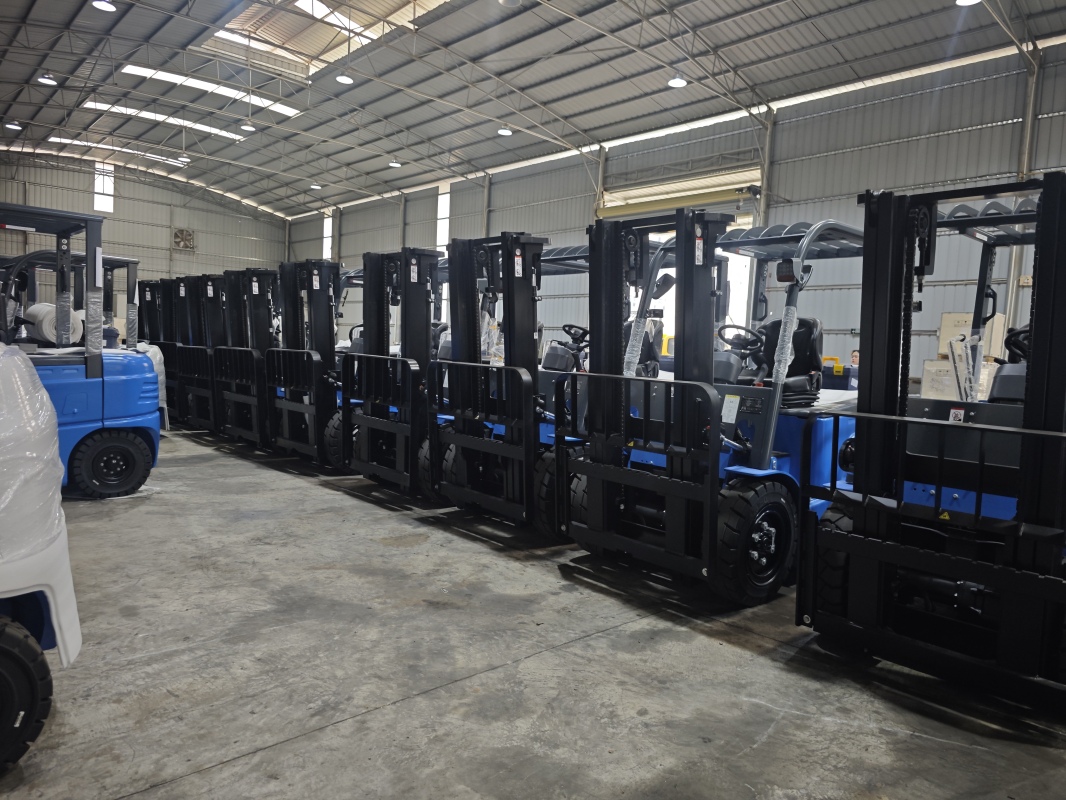
Operating an electric explosion-proof forklift inside hazardous classified zones demands strict adherence to safety protocols. These zones, often designated as Class I, II, or III by standards such as NFPA 70 or ATEX, contain flammable gases, vapors, dust, or fibers that can ignite without proper precautions. The primary goal is to prevent any source of ignition, including electrical sparks, hot surfaces, or mechanical friction.
First, ensure the forklift carries appropriate certification for the specific zone classification. For example, a forklift rated for Division 1 must be intrinsically safe or have explosion-proof enclosures. Only trained operators should handle such equipment, and they must follow a pre-operation checklist: verify battery connections are sealed, inspect for damage to cable insulation, and confirm all safety labels are legible. Regular maintenance is critical. Batteries in electric explosion-proof forklifts require careful monitoring to avoid hydrogen gas accumulation during charging. Always charge in a well-ventilated area outside the hazardous zone, and use only approved charging equipment.
Grounding and bonding procedures must be strictly followed to prevent static discharge. Operators should wear anti-static clothing and footwear. Speed limits within the zone must be observed to minimize impact risks and dust disturbance. Additionally, no modifications—such as adding aftermarket accessories—are permitted unless certified by the manufacturer. Jianshu New Energy recommends using only original parts for maximum safety compliance.
If you have questions about selecting or maintaining an explosion-proof electric forklift, contact us at 17399989919@163.com. Our team, including specialists from BYD Forklift, can help you navigate safety regulations and operational best practices. Remember, safety in hazardous zones is non-negotiable—every step taken reduces risk for people, property, and production.


