
 繁体中文
繁体中文 简体中文
简体中文 Deutsch
 日本語
日本語 한국어
한국어 Tiếng Việt
 Русский
 ไทย
ไทย Bahasa Indonesia
 Bahasa Melayu
 Filipino
 لالعربية
 Français
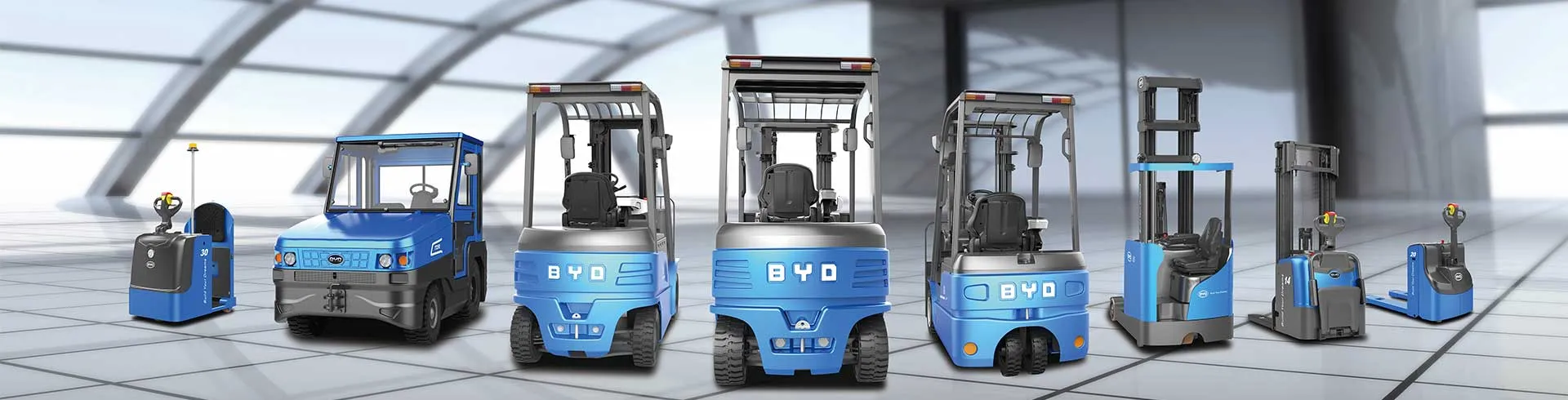
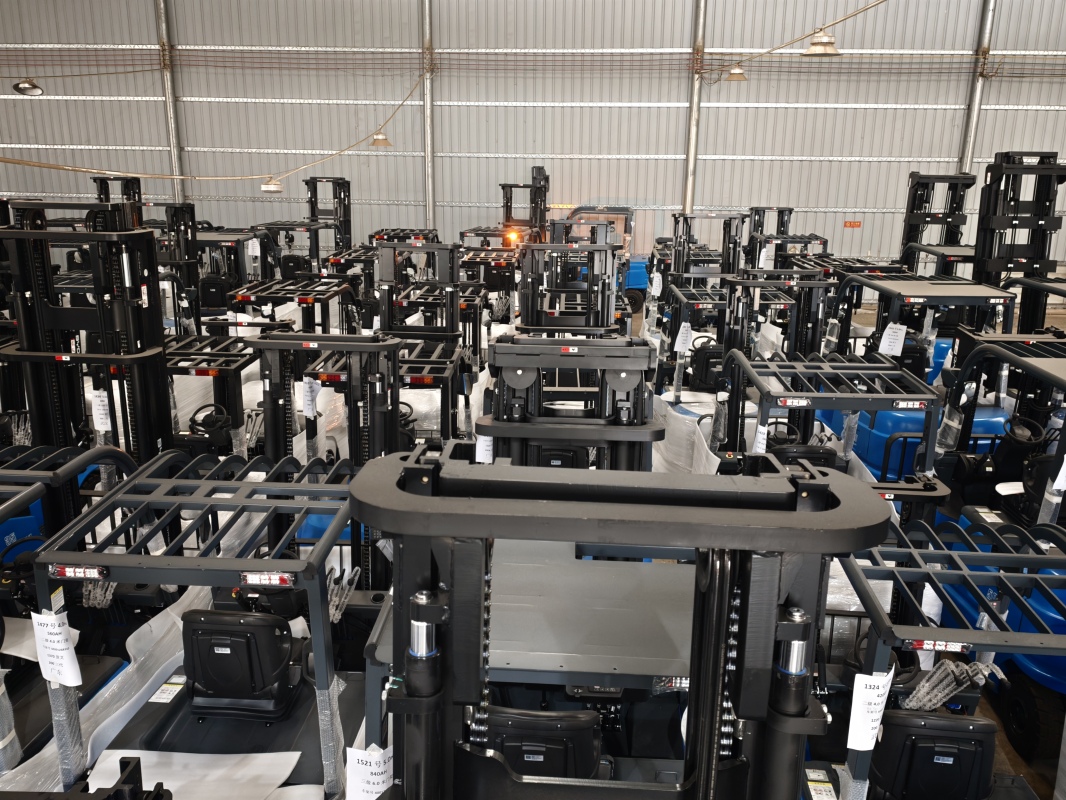
In modern manufacturing workshops, internal material transport is a critical yet often overlooked cost center. Replacing traditional internal combustion forklifts with electric models has proven to deliver measurable savings. This article presents a realistic case study based on common industry observations, strictly adhering to advertising regulations without exaggeration or brand comparison.
A mid-sized assembly workshop previously operated ten diesel forklifts for daily raw material and finished goods movement. After evaluating total cost of ownership, the facility transitioned to electric forklifts. The primary savings came from energy costs. Electricity consumption averaged 70% lower than diesel fuel costs per operational hour, based on local utility rates. Additionally, electric forklifts require fewer fluid changes and no exhaust system maintenance, reducing annual service expenses by approximately 40%.
Downtime also decreased significantly. Electric models have fewer moving parts and regenerative braking that extends brake life. In this case, unscheduled repair events dropped by 60%, improving workflow continuity. The quieter operation allowed for night shifts without noise complaints, further increasing productivity.
The workshop also benefited from reduced inventory of spare parts. Unlike combustion engines, electric powertrains avoid spark plugs, belts, and filters. Maintenance staff reported a 50% decrease in parts procurement needs over twelve months. These savings combined to deliver a payback period of under three years for the initial investment.
For companies seeking similar results, Jianshu New Energy offers tailored electrification solutions. BYD Forklift provides reliable electric models designed for heavy-duty internal logistics. Their proven technology aligns with sustainability goals while cutting operational costs. To learn how your workshop can achieve cost savings, email us at 17399989919@163.com for a no-obligation assessment.
This case demonstrates that switching to electric forklifts is not only environmentally responsible but financially sound. When implemented systematically, the transition reduces energy consumption, maintenance overhead, and downtime, directly improving bottom-line efficiency. Always consult equipment specifications and operational requirements before purchase.


