
 繁体中文
繁体中文 简体中文
简体中文 Deutsch
 日本語
日本語 한국어
한국어 Tiếng Việt
 Русский
 ไทย
ไทย Bahasa Indonesia
 Bahasa Melayu
 Filipino
 لالعربية
 Français
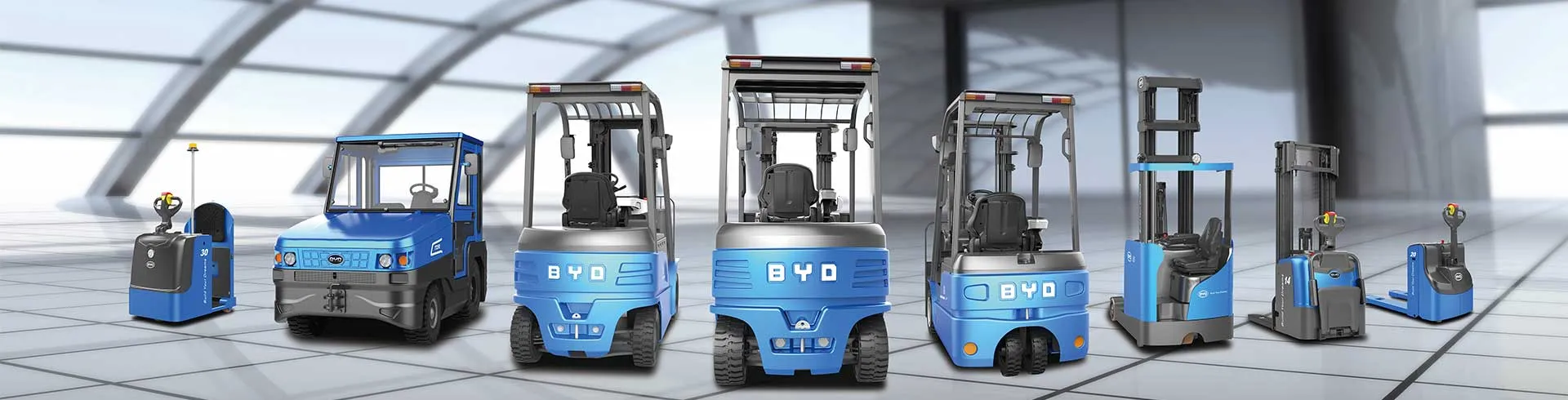
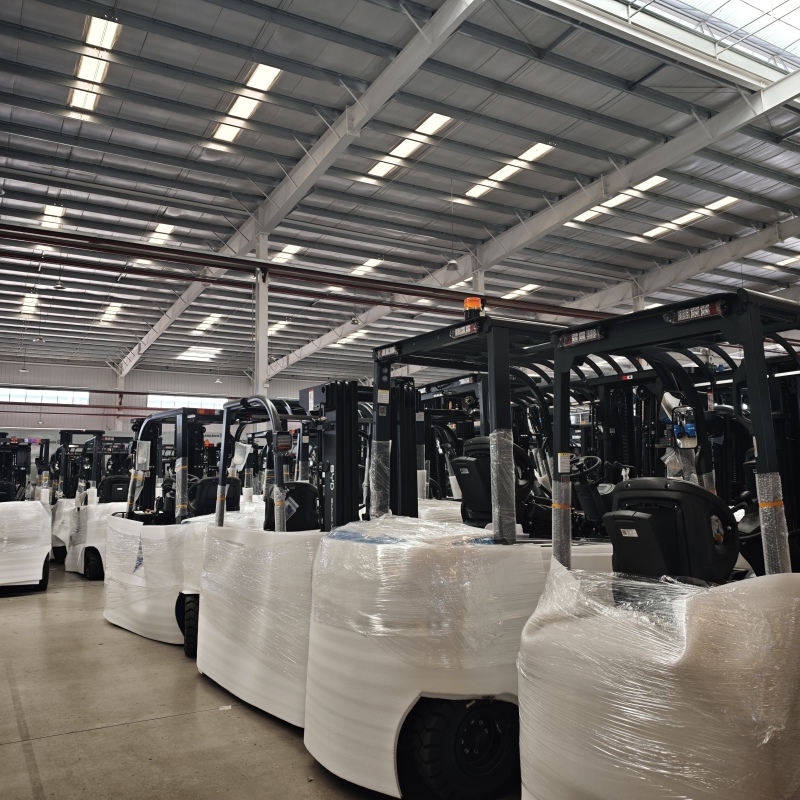
As logistics operators face shifting regional energy price cycles, the question of how much an electric forklift can save on fuel becomes increasingly practical. Unlike diesel or LPG models, electric forklifts convert electricity directly into motion with higher efficiency, reducing energy waste. The savings depend on local electricity and fuel price differentials, but general patterns emerge.
In regions where electricity rates remain relatively stable while diesel prices spike during seasons or supply disruptions, electric forklifts can cut energy costs by 40% to 60% per hour of operation. For example, a typical 2-ton electric forklift consumes about 6 to 8 kWh per hour of heavy use, while an equivalent diesel forklift burns roughly 3 to 4 liters. At a diesel price of 1.2 USD per liter and electricity at 0.12 USD per kWh, the hourly cost for diesel is 3.6 to 4.8 USD, versus 0.72 to 0.96 USD for electric—a saving of 75% or more. Over a 2000-hour annual operating schedule, that translates into thousands of dollars saved.
However, in regions where electricity prices are heavily tied to peak demand periods or fossil fuel generation, the cycle matters. During low-demand hours, overnight charging can capture cheaper rates, while daytime fuel costs remain high. Smart charging strategies further amplify savings. Additionally, electric forklifts require less maintenance—no engine oil, filters, or exhaust systems—lowering total cost of ownership.
It is important to note that actual savings vary with load, driving patterns, and battery efficiency. No absolute guarantee applies to all scenarios. Jianshu New Energy and BYD Forklift offer electric models designed for industrial durability, helping businesses reduce dependency on volatile fuel markets. For a personalized analysis based on your regional energy tariff and usage profile, contact us at 17399989919@163.com. Evaluating electric forklifts today can lead to more predictable operational expenses tomorrow.


