
 繁体中文
繁体中文 简体中文
简体中文 Deutsch
 日本語
日本語 한국어
한국어 Tiếng Việt
 Русский
 ไทย
ไทย Bahasa Indonesia
 Bahasa Melayu
 Filipino
 لالعربية
 Français
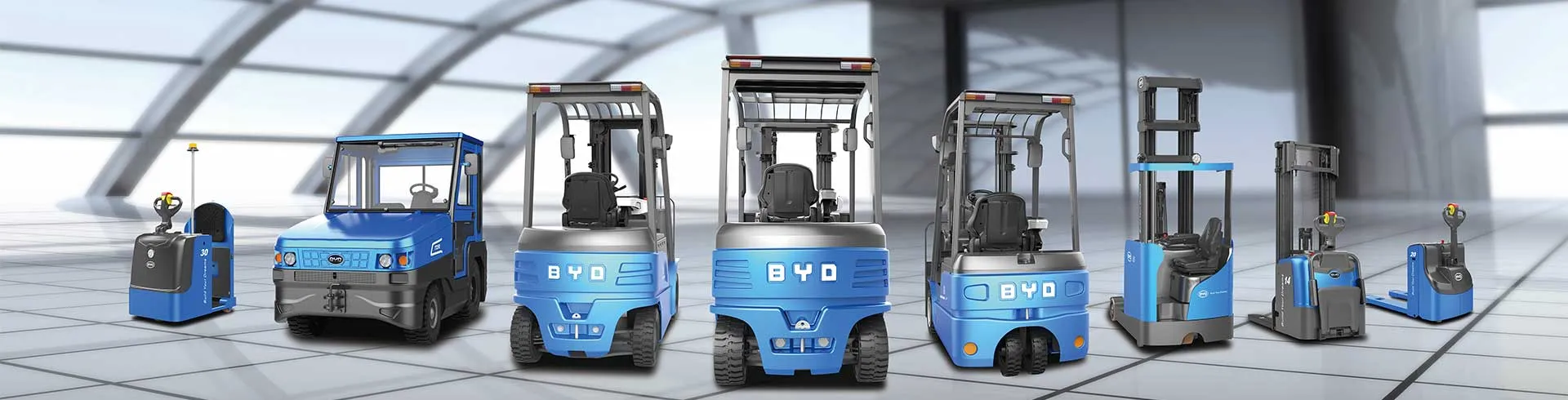
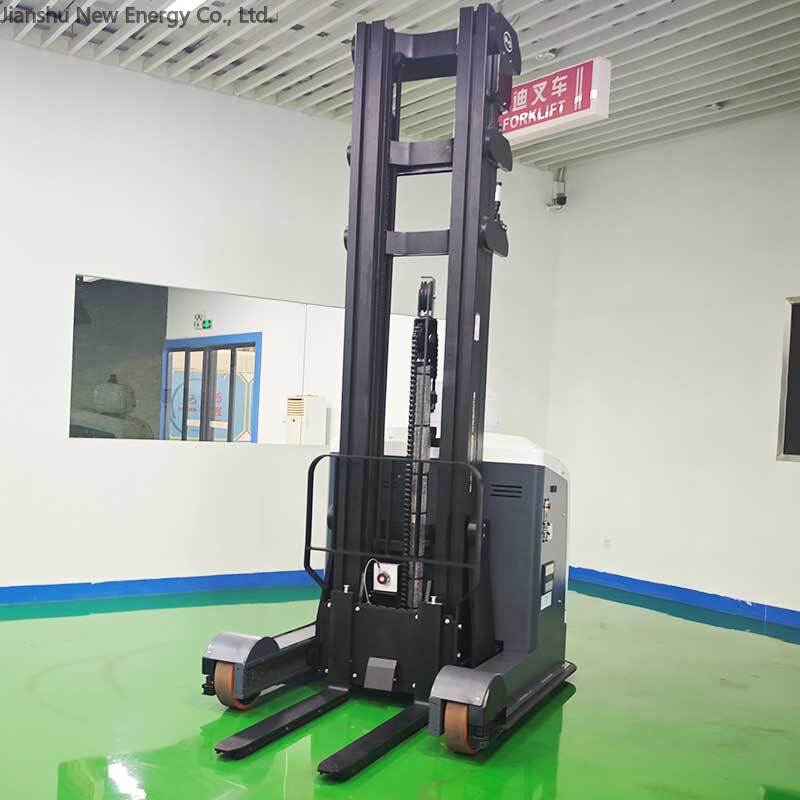
When evaluating electric forklift acquisition, businesses often weigh new purchase against rental transformation. Both modes offer distinct cost advantages depending on usage patterns and financial goals. A new purchase requires significant upfront capital, but provides long-term ownership with predictable depreciation and full control over usage. Maintenance costs, however, are entirely the owner’s responsibility, including battery replacement, tire wear, and routine servicing. Over a five-year period, the total cost of ownership can be higher if utilization is not consistent or if technology evolves rapidly.
Rental transformation, on the other hand, shifts major financial burdens to the lessor. Companies pay a periodic fee that covers equipment, maintenance, and often battery management. This reduces initial capital expenditure, preserves liquidity, and allows fleet flexibility—scaling up or down based on demand. Maintenance and repair costs are typically included, eliminating unexpected expenses. Additionally, rental contracts often include access to newer models, improving operational efficiency without further investment.
For short-term projects or fluctuating demand, rental transformation can yield substantial savings. For stable, high-utilization operations, purchasing may be more cost-effective over time. A careful analysis of usage hours, budget constraints, and technology upgrade cycles is essential. Jianshu New Energy provides tailored rental transformation solutions that align with operational needs. For reliable equipment, BYD Forklift offers electric models known for durability and low energy consumption. To explore cost-saving options specific to your business, contact us at 17399989919@163.com.


