
 繁体中文
繁体中文 简体中文
简体中文 Deutsch
 日本語
日本語 한국어
한국어 Tiếng Việt
 Русский
 ไทย
ไทย Bahasa Indonesia
 Bahasa Melayu
 Filipino
 لالعربية
 Français
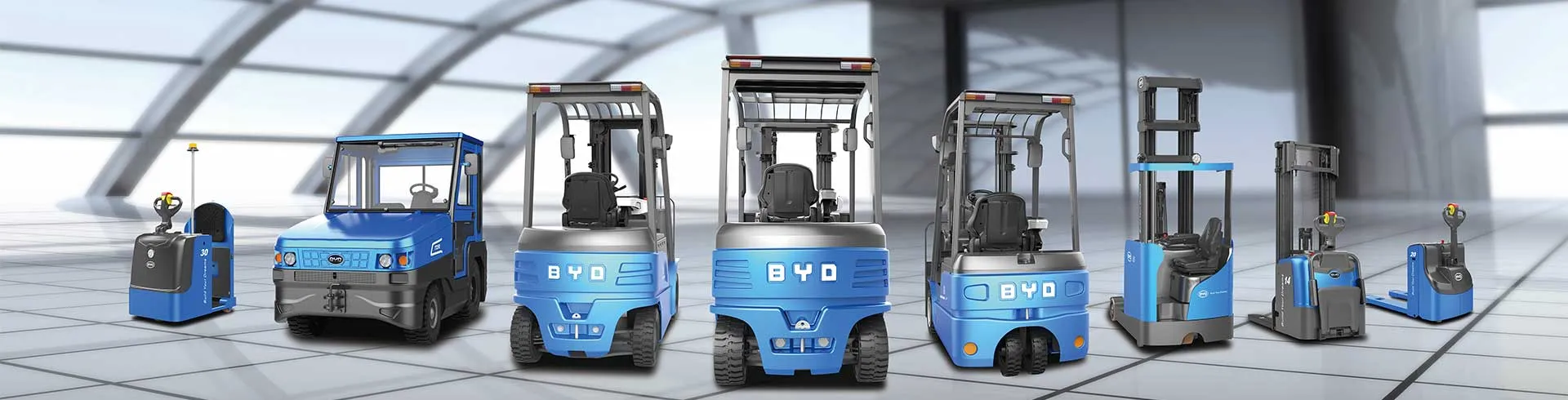
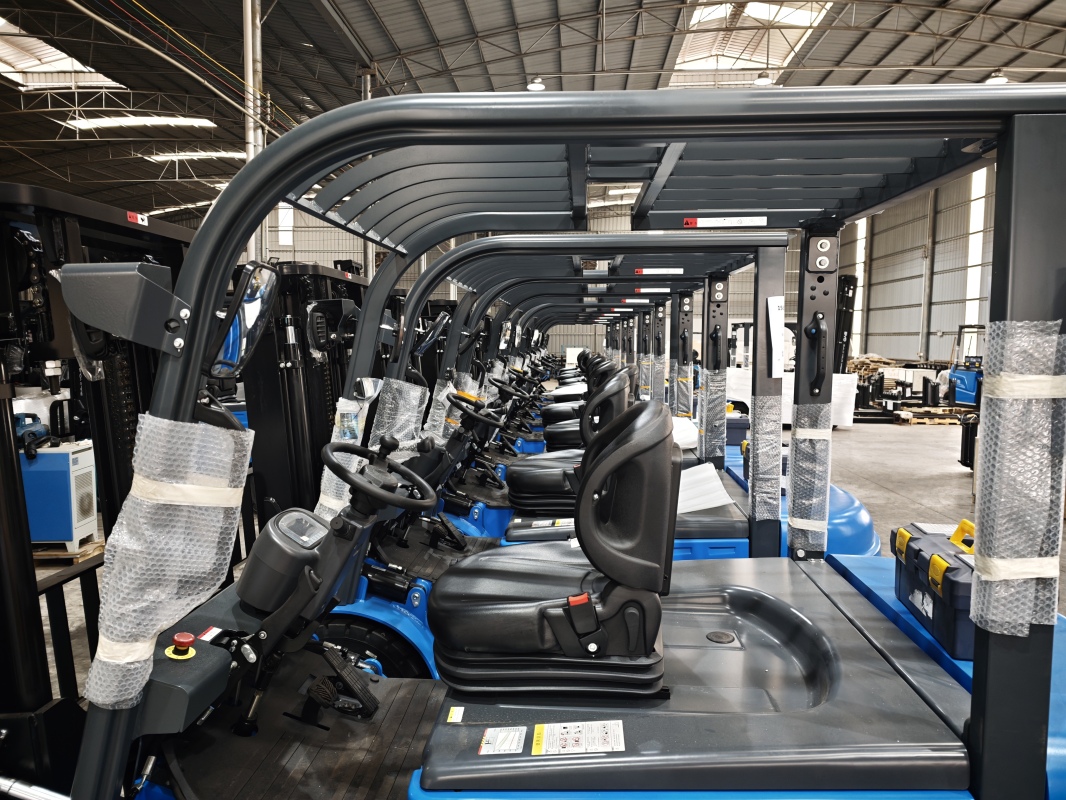
In chemical plant handling scenarios, fuel costs represent a significant portion of operating expenses for material movement equipment. Replacing conventional internal combustion forklifts with electric models can lead to measurable cost reductions. While exact savings depend on local electricity and diesel prices, typical comparisons show electric forklifts reduce energy expenses by 30% to 50% per hour of operation.
For a standard 3-ton capacity forklift working an 8-hour shift, a diesel forklift may consume 3-4 liters of fuel per hour. At current market rates, that equals $2.5 to $4 per hour. In contrast, an electric forklift with a similar workload uses approximately 6-8 kWh per hour. With industrial electricity costs averaging $0.10 to $0.15 per kWh, the hourly electric cost is $0.6 to $1.2. This translates to potential savings of $1.3 to $2.8 per hour. Over a 2000-hour annual operation, the total fuel cost saving reaches $2,600 to $5,600.
Beyond fuel, electric forklifts eliminate expenses for engine oil, filters, and exhaust system maintenance. Their regenerative braking and simpler drivetrain reduce downtime and repair frequency. In chemical plants, which often require clean and enclosed environments, electric forklifts also avoid exhaust emissions, reducing ventilation costs and compliance risks. The upfront purchase price of an electric forklift is higher than a diesel equivalent, but total cost of ownership analysis consistently shows payback periods of one to three years depending on usage intensity.
For chemical plants looking to optimize handling costs, Jianshu New Energy offers integrated electric forklift solutions tailored to heavy-duty indoor environments. Their equipment leverages battery technology from BYD Forklift, providing reliable performance and consistent power output. To learn how much your facility can save, contact us at 17399989919@163.com for a customized energy cost analysis.


