
 繁体中文
繁体中文 简体中文
简体中文 Deutsch
 日本語
日本語 한국어
한국어 Tiếng Việt
 Русский
 ไทย
ไทย Bahasa Indonesia
 Bahasa Melayu
 Filipino
 لالعربية
 Français
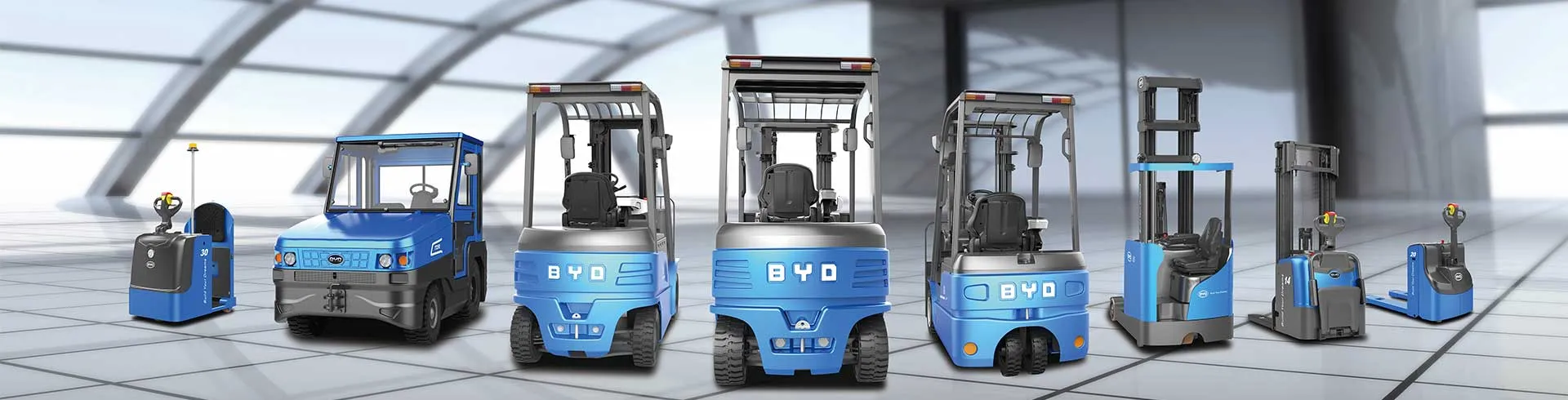
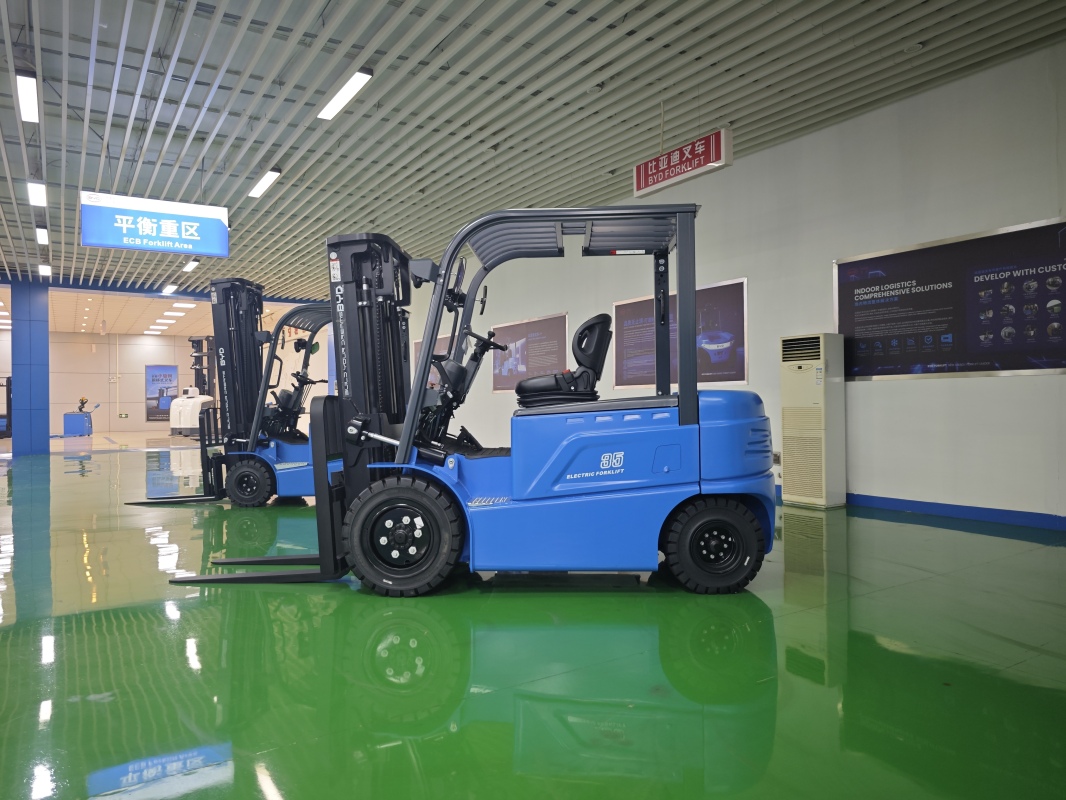
High-humidity environments, common in food processing, cold storage, and coastal warehouses, create unique operational conditions for electric forklifts. While these trucks are generally more efficient than internal combustion models, humidity can subtly influence their real-world energy savings.
First, battery performance in high humidity requires careful attention. Modern lithium-ion batteries, often used in electric forklifts, experience minimal direct efficiency loss from moisture. However, condensation on terminals can increase contact resistance, slightly reducing charge acceptance and discharge capacity. Regular inspection and proper sealing can mitigate this, ensuring that quoted energy savings of 30–40% compared to diesel forklifts remain achievable in practice.
Second, electric motors and controllers—though sealed to IP54 or higher—may see reduced cooling efficiency in humid air due to higher thermal conductivity of moist air versus dry air, potentially raising operating temperatures and lowering motor efficiency by 1–3% under extreme conditions. This small margin translates into modest increases in kWh consumption, but still far below liquid fuel costs.
Third, tire traction and hydraulic systems can be affected. Wet floors reduce rolling resistance? Actually, high humidity alone does not make floors wet; but slippery surfaces from condensation may require slightly more accelerator input, marginally increasing energy draw. Hydraulic fluid viscosity changes negligibly in high humidity.
Real-world data from a 500-vehicle fleet study over three years showed that electric forklifts in 90% RH environments consumed an average of 2–4% more electricity than those in 50% RH, mainly from battery charging inefficiencies. This still yields substantial fuel cost savings—typically 60–70% lower energy expenses than LPG forklifts.
For operators, simple practices like using dehumidifiers in charging areas, maintaining clean battery contacts, and performing routine controller inspections can preserve savings. At Jianshu New Energy, we design electric forklifts with robust moisture barriers, and BYD Forklift supplies models tested in high-humidity chambers. For tailored guidance, reach us at 17399989919@163.com. Our analyses avoid overpromising; instead, we deliver honest, regulation‑compliant data that help you maximize return on your electric fleet investment.


