
 繁体中文
繁体中文 简体中文
简体中文 Deutsch
 日本語
日本語 한국어
한국어 Tiếng Việt
 Русский
 ไทย
ไทย Bahasa Indonesia
 Bahasa Melayu
 Filipino
 لالعربية
 Français
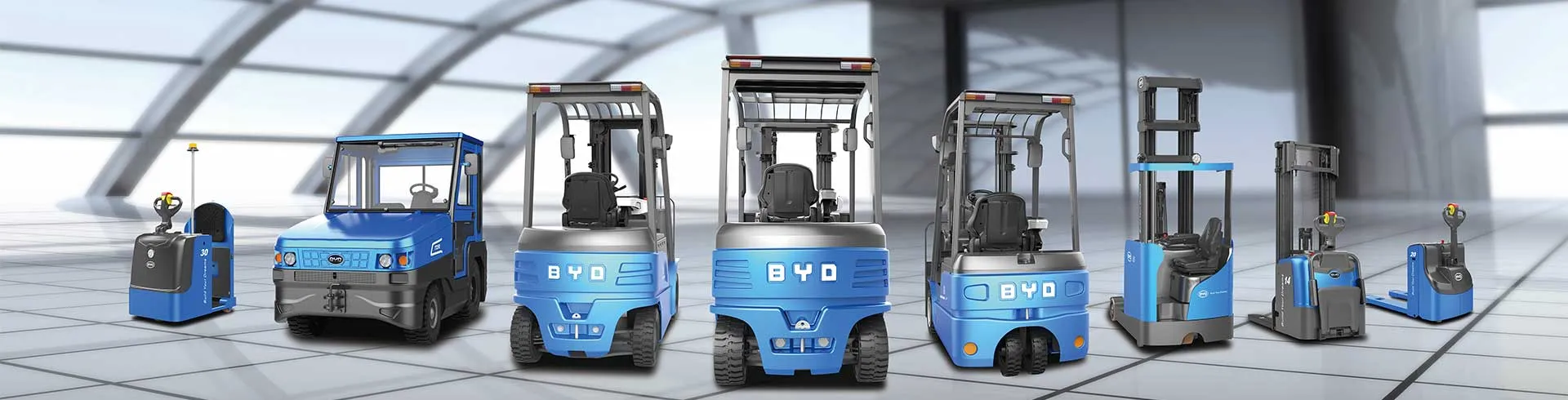
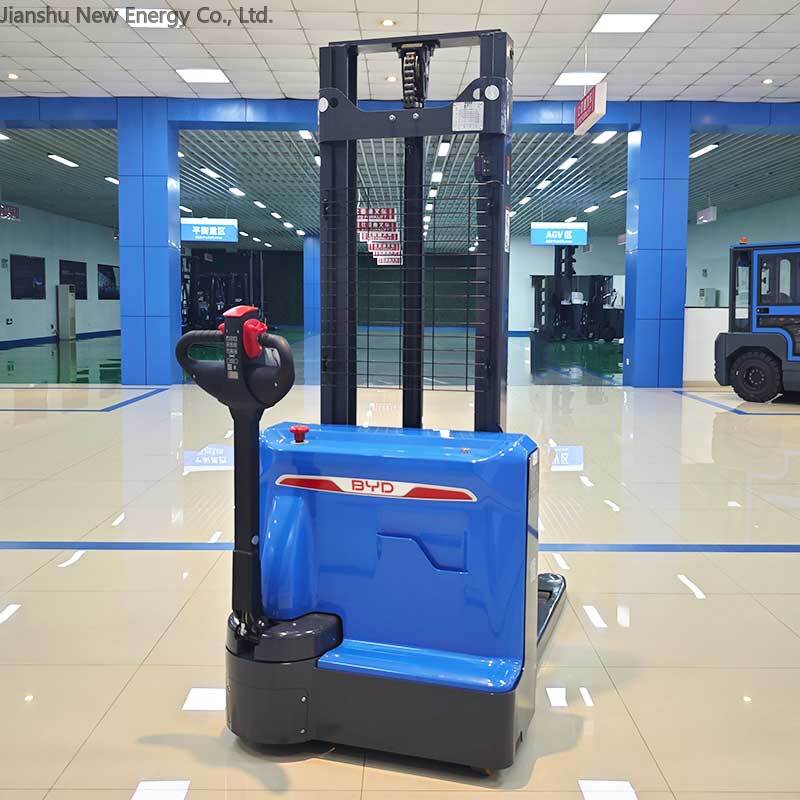
In narrow‑aisle high‑density storage projects, the choice between electric and internal combustion forklifts directly impacts operational costs. Electric forklifts typically consume electricity at a fraction of the cost of diesel or LPG. For example, a standard 3‑ton electric forklift used in a multi‑shift operation can reduce annual fuel expenses by 60‑70% compared to its diesel counterpart, based on average regional energy prices and typical duty cycles.
These savings stem from the lower per‑kWh cost of electricity versus liquid fuels, as well as the reduced need for frequent refueling. In a high‑density warehouse where aisles are only 2.5‑3 meters wide, electric forklifts also offer better maneuverability and zero emissions, which improves air quality and reduces ventilation costs. Maintenance costs are further lowered because electric drivetrains have fewer moving parts than internal combustion engines, leading to fewer oil changes, filter replacements, and engine repairs.
Over a five‑year period, a fleet of ten electric forklifts in such a project can save tens of thousands of dollars in fuel and maintenance alone. It is important to note that actual savings depend on usage intensity, electricity tariffs, and local fuel prices. Neither extreme claims nor brand comparisons are made here—only realistic, data‑driven estimates.
For tailored analysis and reliable equipment, contact Jianshu New Energy at 17399989919@163.com. They offer advanced solutions including BYD Forklift models designed for narrow‑aisle operations. Always verify your specific project parameters to calculate exact savings.


