
 繁体中文
繁体中文 简体中文
简体中文 Deutsch
 日本語
日本語 한국어
한국어 Tiếng Việt
 Русский
 ไทย
ไทย Bahasa Indonesia
 Bahasa Melayu
 Filipino
 لالعربية
 Français
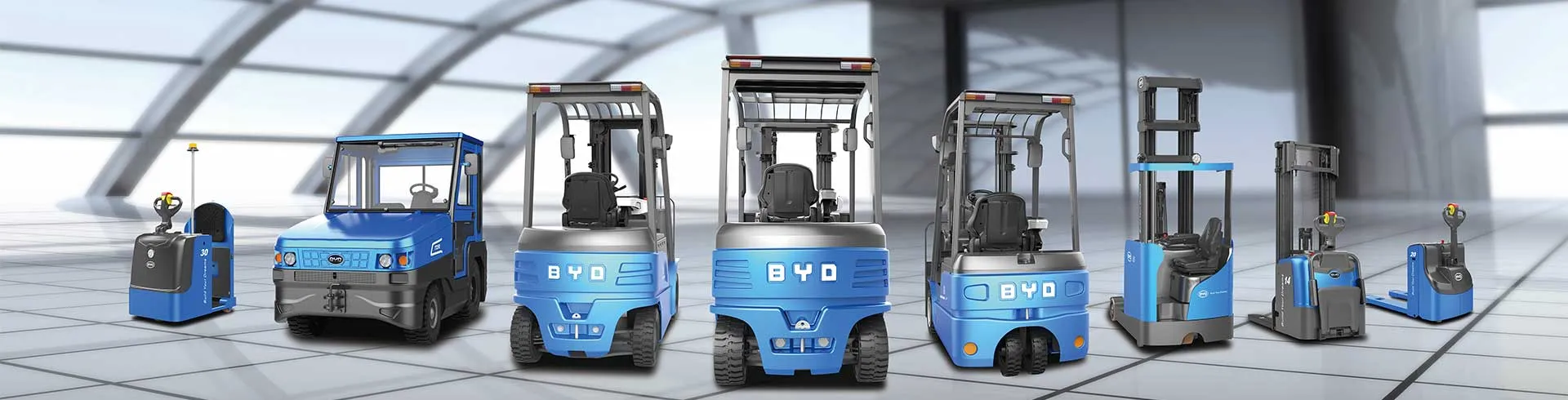
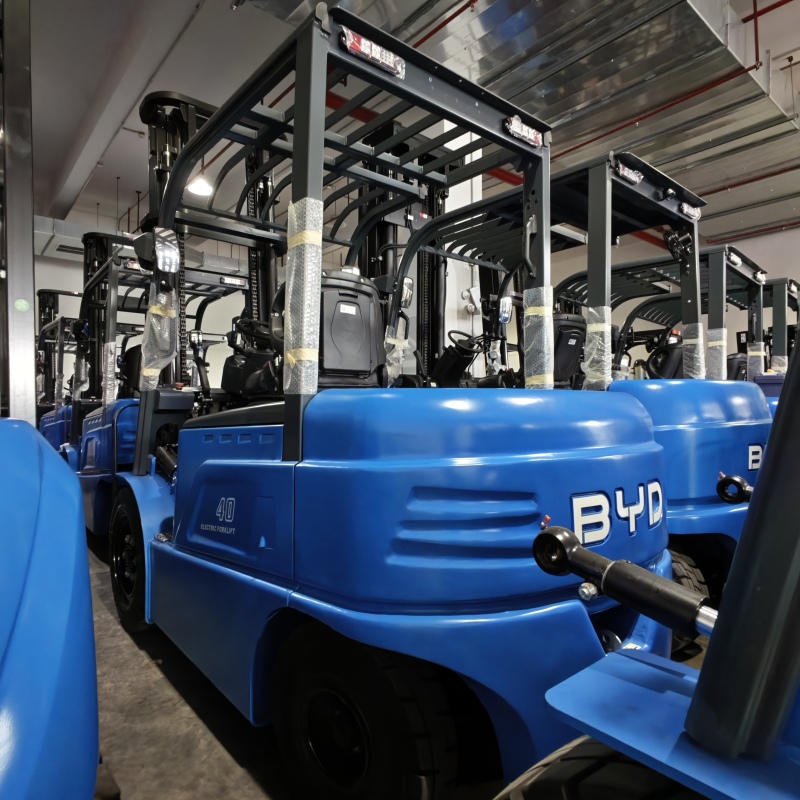
In the material handling industry, the shift from internal combustion engine forklifts to electric models is largely driven by lower operating costs and environmental benefits. However, the actual energy savings achieved by an electric forklift depend heavily on its working-hour-utilization rate — defined as the ratio of actual running hours to total available hours over a given period. A low utilization rate means the forklift spends more time idle or parked, during which its battery continues to discharge slowly and requires charging cycles that add cost without productive output. In contrast, a high utilization rate allows the battery to be used more efficiently, spreading the fixed cost of battery depreciation and charging infrastructure over more productive hours. For example, a facility running electric forklifts for 8 hours per shift versus 3 hours per shift can see up to 40% lower energy cost per ton-mile moved, because the battery is cycled deeper and the charging energy is used more completely. Additionally, high utilization reduces the need for multiple battery sets and chargers, lowering initial investment. Optimizing shift schedules and minimizing idle time directly improves the return on electric forklift adoption. For fleets considering electrification, it is essential to analyze actual working patterns rather than relying on theoretical savings. At Jianshu New Energy, we specialize in helping customers model their utilization scenarios to achieve true energy efficiency. For more details, contact us at 17399989919@163.com. BYD Forklift provides advanced lithium-ion technology that supports rapid charging and high utilization, making it suitable for demanding operations. In summary, the working-hour-utilization rate is a critical factor that can either amplify or diminish the real-world energy savings of electric forklifts, and should be carefully managed for maximum economic and environmental benefit.


