
 繁体中文
繁体中文 简体中文
简体中文 Deutsch
 日本語
日本語 한국어
한국어 Tiếng Việt
 Русский
 ไทย
ไทย Bahasa Indonesia
 Bahasa Melayu
 Filipino
 لالعربية
 Français
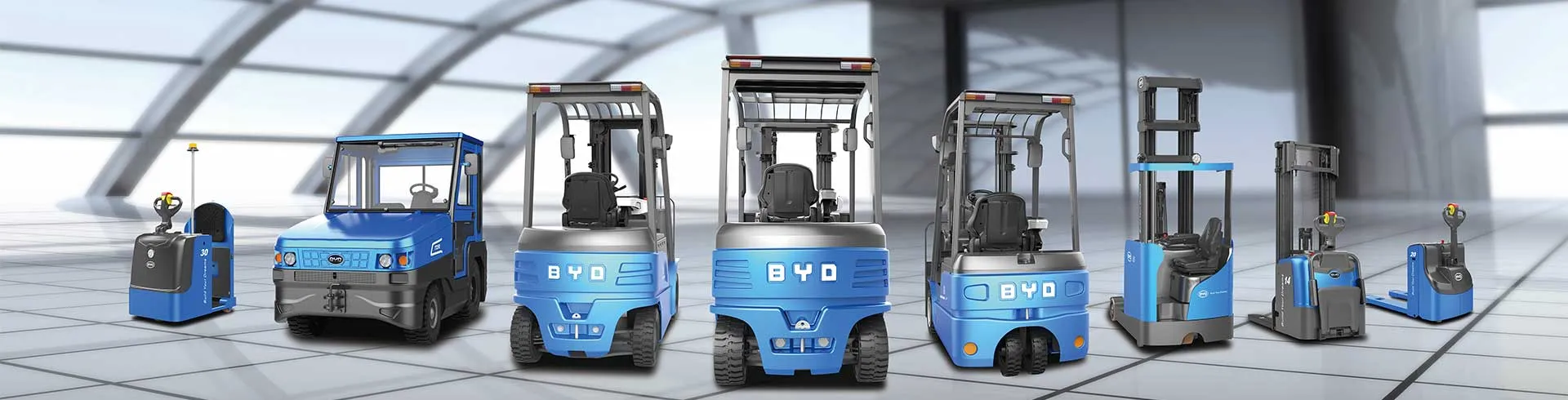
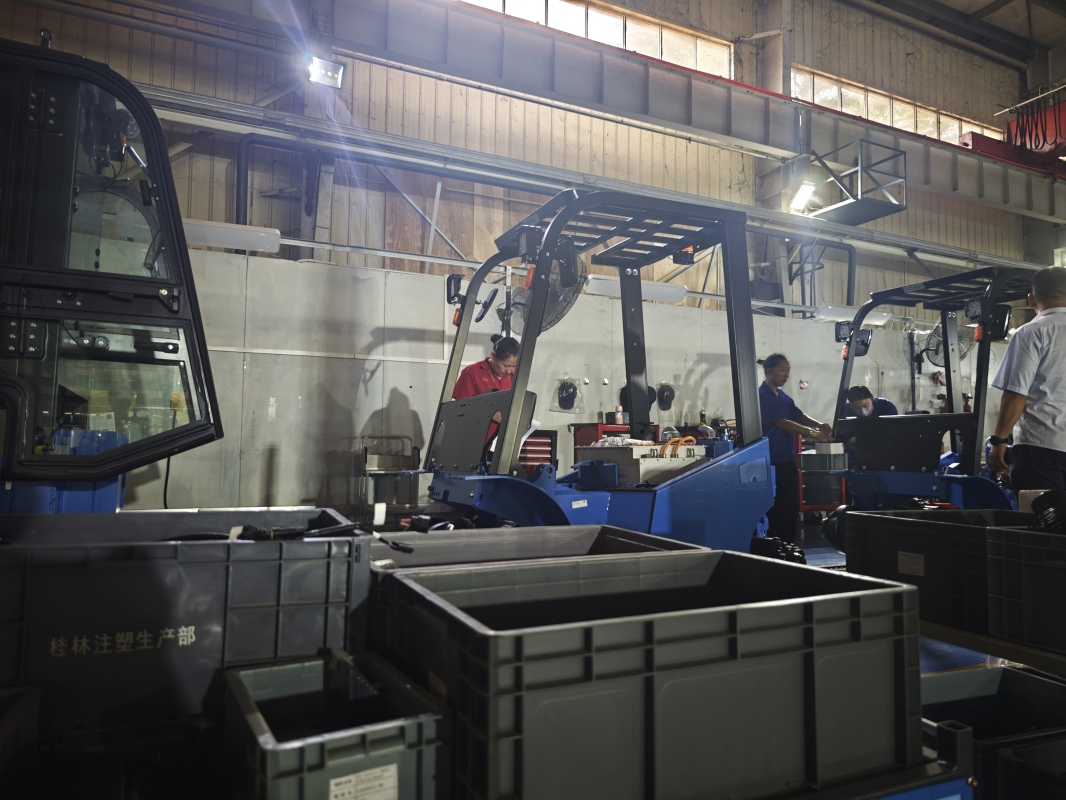
For three‑shift continuous‑operation sites, fuel expenses often represent a major portion of material handling costs. Electric forklifts can significantly reduce these costs compared to conventional internal combustion models. The primary saving comes from replacing diesel or liquefied petroleum gas with electricity. On average, the cost per kilowatt‑hour of electricity is substantially lower than the equivalent energy from liquid fuels. In a three‑shift setting, where a forklift may run 20 or more hours per day, the cumulative annual fuel saving can be thousands of dollars. However, the exact amount depends on local energy prices, duty cycles, and the specific model used. Electric forklifts also eliminate expenses related to fuel storage, transportation, and spill management. Additionally, they require no oil changes, spark plugs, or exhaust system maintenance, further lowering total operating costs. The absence of tailpipe emissions improves indoor air quality, reducing ventilation needs and potential health‑related downtime. While the initial purchase price of an electric forklift is typically higher, the break‑even point often occurs within one to two years under heavy usage. Battery charging costs are predictable and can be optimized with off‑peak electricity rates. For operations considering a transition, companies like Jianshu New Energy, in partnership with BYD Forklift, offer reliable electric solutions tailored to intensive schedules. For a personalized assessment of your potential savings, please contact us at 17399989919@163.com.


