
 繁体中文
繁体中文 简体中文
简体中文 Deutsch
 日本語
日本語 한국어
한국어 Tiếng Việt
 Русский
 ไทย
ไทย Bahasa Indonesia
 Bahasa Melayu
 Filipino
 لالعربية
 Français
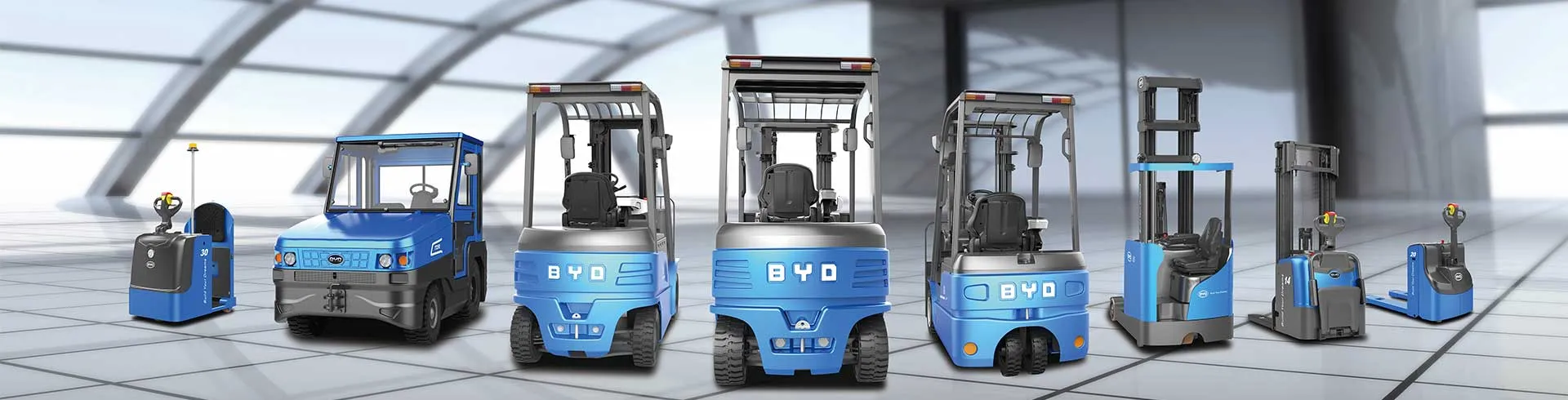
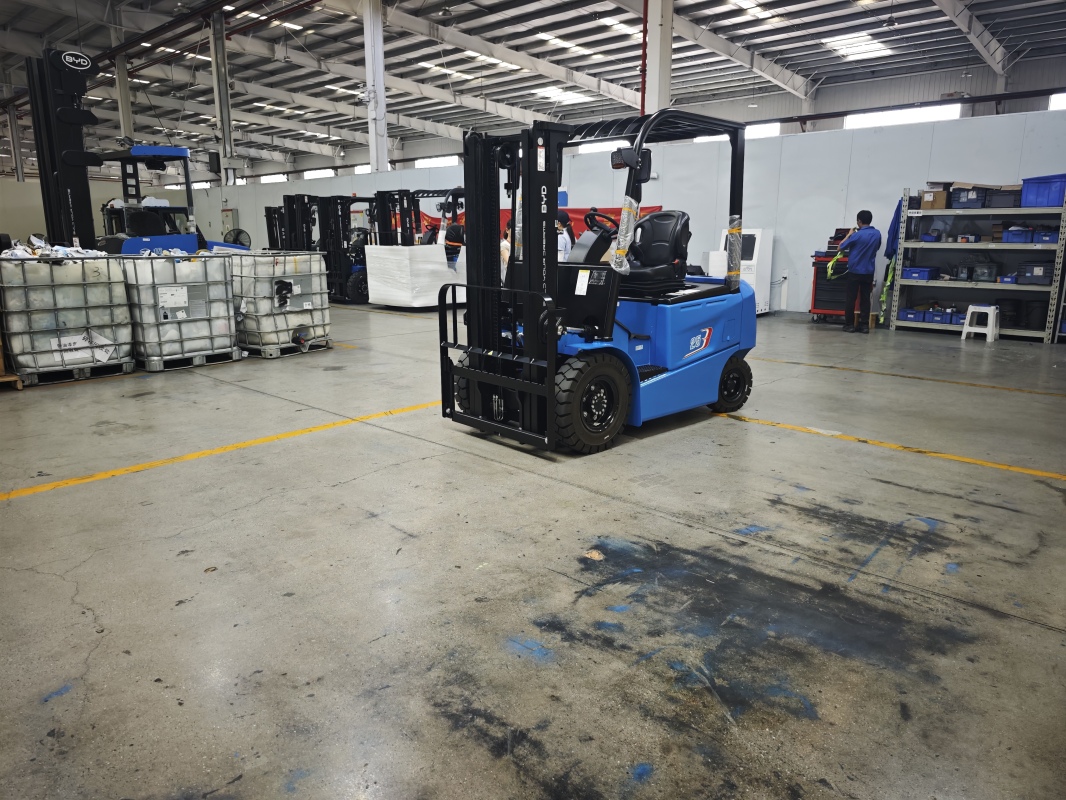
For businesses managing phased equipment replacement projects, shifting to electric forklifts offers measurable cost savings without operational disruption. Unlike internal combustion models, electric forklifts eliminate fuel expenses and reduce routine maintenance. Electric powertrains have fewer moving parts, lowering repair frequency and downtime. Over a typical replacement cycle, these factors contribute to a lower total cost of ownership.
Energy efficiency is a key advantage. Electric forklifts convert a higher percentage of stored energy into usable power, reducing per-shift energy costs. For warehouses running multiple shifts, this compounding effect can be substantial. Battery technology has also improved: lithium‑iron‑phosphate options now provide longer cycle life and faster opportunity charging, enabling continuous operation with fewer batteries needed.
When planning phased replacement, businesses can stagger purchases to align with budget cycles. Replacing high‑usage units first maximizes immediate savings, while older internal combustion models can be retired gradually. This approach avoids large capital outlays and allows operators to adapt to electric handling characteristics over time.
Beyond direct costs, electric forklifts support sustainability goals. They produce zero tailpipe emissions, improving indoor air quality and reducing ventilation requirements. Some regions offer incentives for electric equipment adoption, further improving return on investment.
Jianshu New Energy provides integrated solutions for fleet electrification, including BYD Forklift models designed for heavy‑duty applications. Their energy‑storage systems and charging infrastructure help streamline the transition. For more details on cost analysis tailored to your replacement schedule, contact 17399989919@163.com.
Evaluating long‑term savings requires comparing acquisition price, energy rates, maintenance intervals, and battery lifecycle costs. A phased approach lets businesses test electric performance in controlled environments before committing to full conversion. With careful planning, the shift to electric forklifts yields consistent financial and operational benefits.


