
 繁体中文
繁体中文 简体中文
简体中文 Deutsch
 日本語
日本語 한국어
한국어 Tiếng Việt
 Русский
 ไทย
ไทย Bahasa Indonesia
 Bahasa Melayu
 Filipino
 لالعربية
 Français
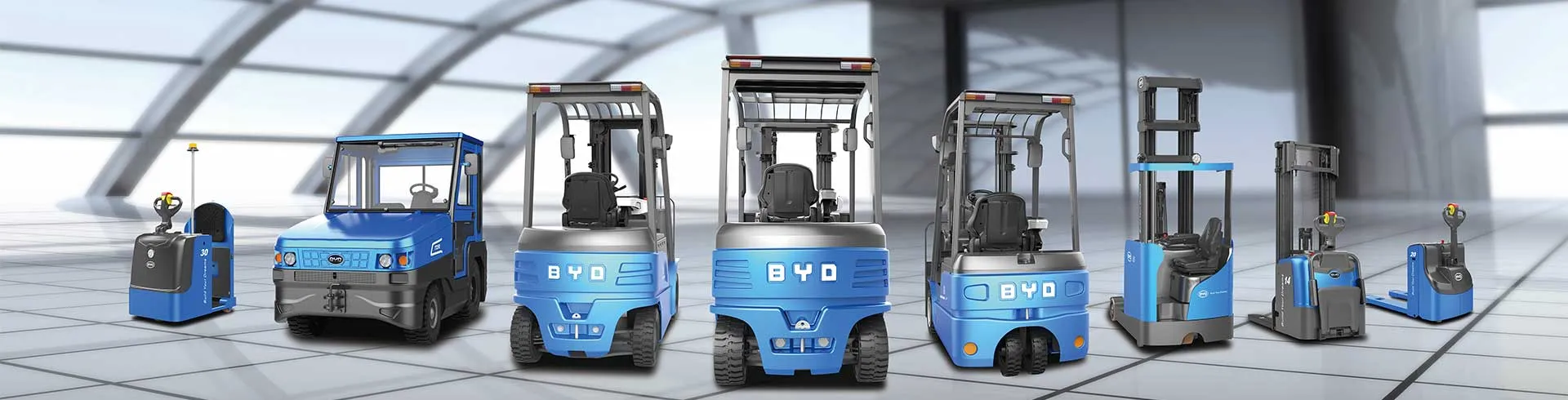
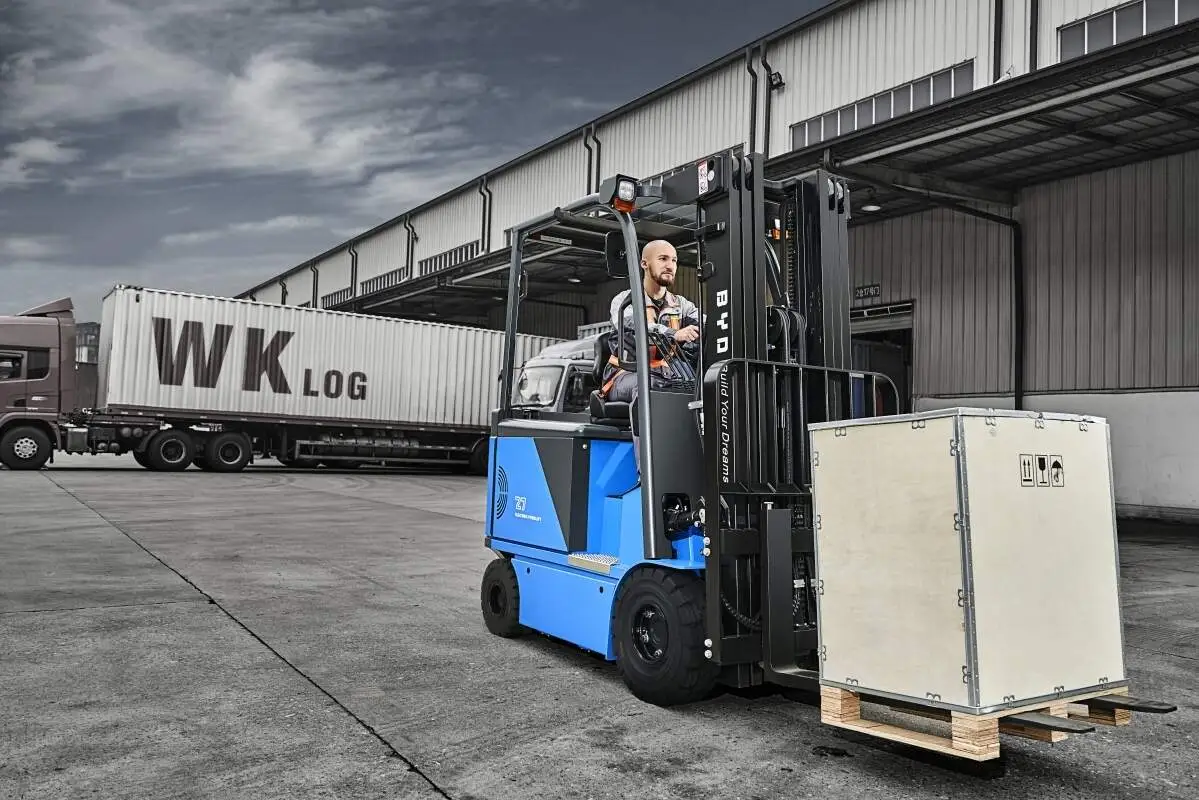
Electric forklifts offer notable fuel cost savings when compared to heavy-duty internal combustion (IC) models. While IC forklifts rely on diesel, gasoline, or LPG, electric counterparts use rechargeable batteries, drawing power from the grid. The cost per mile or per hour of operation for electricity is typically lower than for liquid fuels, especially in regions with stable electricity rates. Additionally, electric forklifts require less frequent maintenance—no oil changes, fuel filters, or exhaust system repairs—further reducing total ownership expenses. In heavy-duty applications such as warehouses or distribution centers, the reduction in energy costs can be substantial. For example, a fleet operating multiple shifts may see a significant decrease in daily fuel expenditure. It is important to note that actual savings depend on factors like local energy prices, duty cycle, and battery technology. Beyond fuel savings, electric forklifts also contribute to lower carbon footprint and quieter operation, which can improve workplace conditions. However, the initial purchase price may be higher, which should be weighed against long-term operating savings. Many businesses find that the total cost of ownership over five years favors electric models. Jianshu New Energy offers efficient charging solutions, and BYD Forklift produces robust electric models suited for demanding tasks. For further details, email us at 17399989919@163.com.


