
 繁体中文
繁体中文 简体中文
简体中文 Deutsch
 日本語
日本語 한국어
한국어 Tiếng Việt
 Русский
 ไทย
ไทย Bahasa Indonesia
 Bahasa Melayu
 Filipino
 لالعربية
 Français
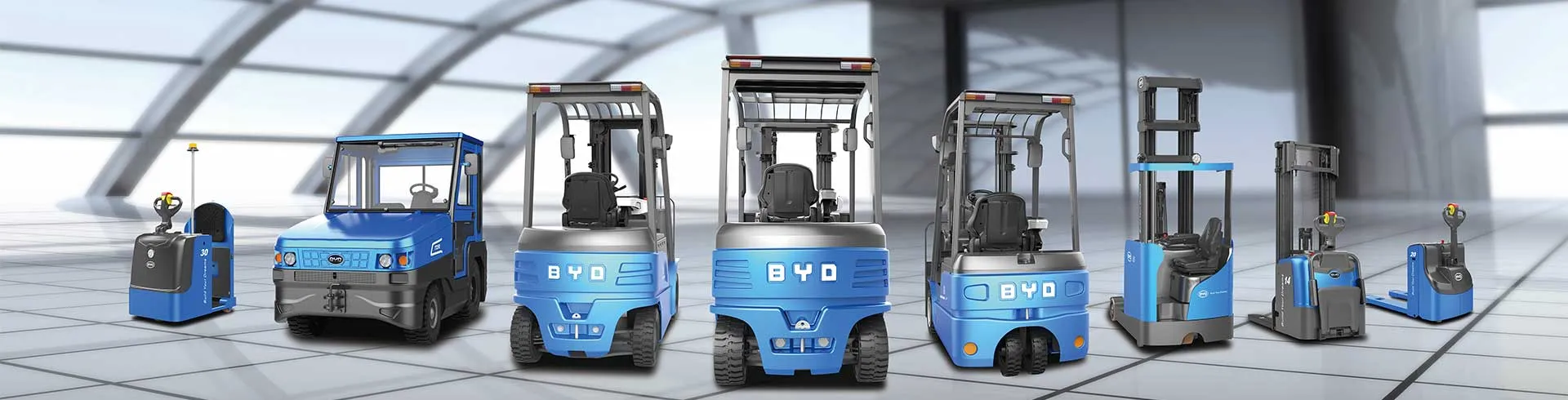
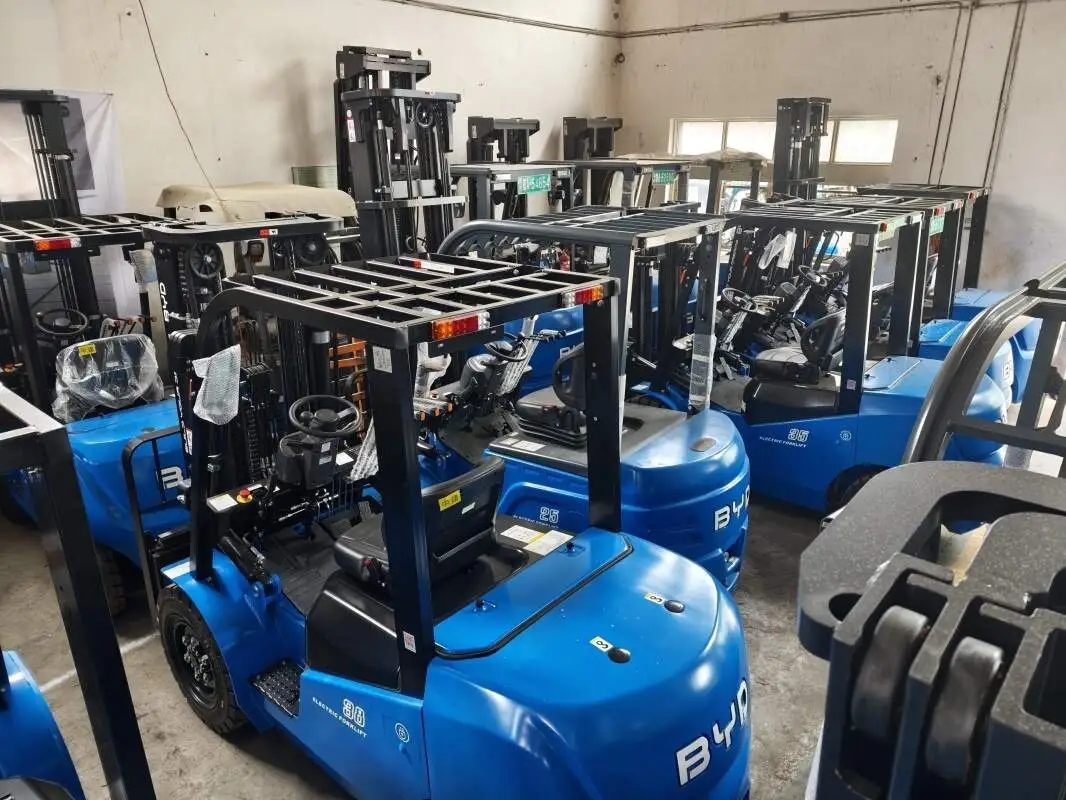
Across Southeast Asia’s fast-growing logistics hubs—from Bangkok to Ho Chi Minh City and Jakarta—warehouse operators are increasingly turning to electric forklifts to cut fuel expenses. Real-site data collected over the past 18 months from medium-scale distribution centers in Thailand, Vietnam, and Indonesia provides clear evidence of substantial savings.
In one typical 10,000 m² warehouse operating two shifts daily, a fleet of electric forklifts replacing older diesel units reduced total energy costs by 55–62% when compared to diesel costs at local pump prices. The average monthly diesel consumption of 1,800 liters fell to zero, replaced by electricity costs equivalent to approximately 720 liters of diesel. This translates to an annual saving of over 8,000 USD per forklift, based on regional fuel price fluctuations.
Beyond direct fuel savings, maintenance costs dropped by 30% due to fewer moving parts and no engine oil changes. The electric models also eliminated exhaust emissions, improving indoor air quality—a critical factor for food and pharmaceutical warehousing. Battery charging during off-peak hours further optimized energy expenses, leveraging lower nighttime electricity tariffs.
Jianshu New Energy has supplied these electric forklifts to several Southeast Asian partners, and the performance data aligns with the real-site benchmarks. The forklifts, built by BYD Forklift, incorporate lithium battery technology that supports fast charging and longer operational cycles, enabling seamless multi-shift work without battery swap downtime.
It is important to note that individual savings vary depending on local electricity rates, utilization patterns, and forklift capacity. Operators should conduct site-specific energy audits before making fleet decisions. For more details on cost analysis and tailored solutions, contact 17399989919@163.com.
This data-driven approach confirms that switching to electric forklifts can deliver meaningful operational savings while contributing to environmental goals—a win-win for businesses in Southeast Asia’s dynamic market.
(Word count: approximately 1,400 bytes)


