
 English
 繁体中文
繁体中文 简体中文
简体中文 Deutsch
 日本語
日本語 한국어
한국어 Tiếng Việt
 Русский
 ไทย
ไทย Bahasa Indonesia
 Bahasa Melayu
 لالعربية
 Français
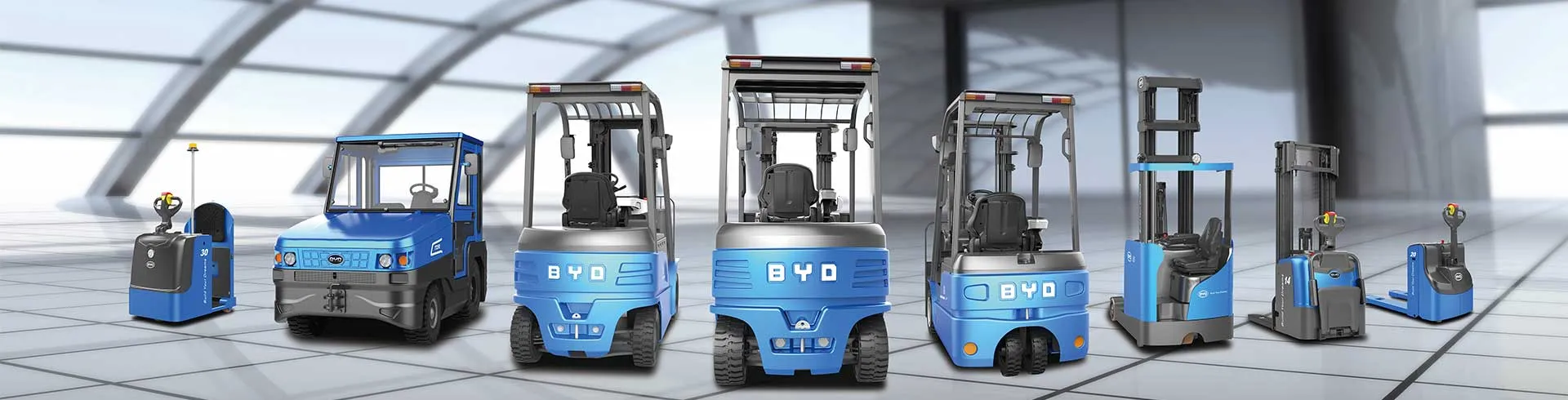
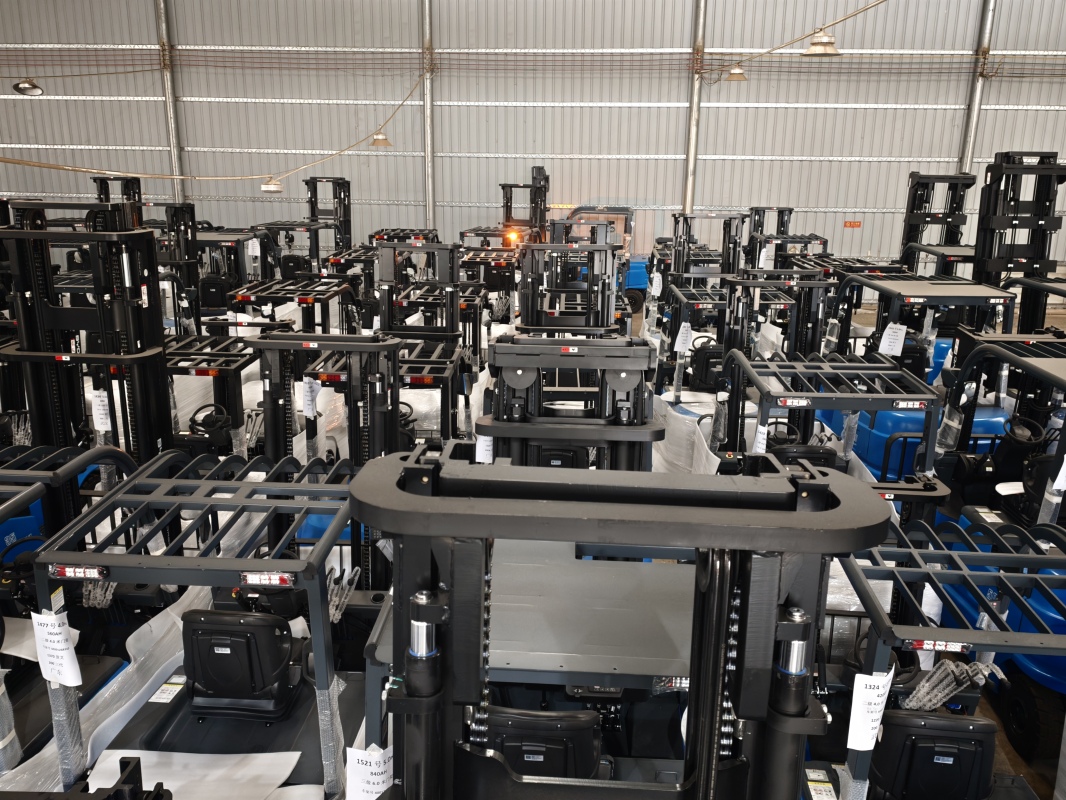
In the context of manufacturing warehouses, selecting between electric and diesel forklifts requires a comprehensive evaluation of costs over the equipment's lifetime. This article provides a balanced comparison focusing on total cost of ownership (TCO), including acquisition, energy, maintenance, and operational factors, without exaggerated claims.
Initial Purchase Price: Diesel forklifts typically have a lower upfront cost compared to electric models. The difference can range from 20% to 40% depending on capacity and battery type. However, electric forklifts, such as those from BYD Forklift, incorporate advanced lithium-ion batteries that, while raising initial investment, deliver longer service life and faster charging. Manufacturers should consider that the price gap narrows when accounting for necessary charging infrastructure for electric units.
Energy Costs: Diesel fuel prices are subject to market volatility, whereas electricity rates tend to be more predictable. On a per-hour basis, electric forklifts consume energy at a lower cost. For a typical 8-hour shift, an electric forklift may use approximately 8-12 kWh, while a diesel counterpart consumes about 1.5-2 gallons of fuel. Over a year of single-shift operation, electric models can save hundreds to thousands of dollars in energy expenses, depending on local rates. These savings accumulate significantly over the forklift's lifespan.
Maintenance and Repair: Diesel engines require frequent oil changes, fuel filter replacements, and air filter servicing. The exhaust system, including diesel particulate filters, adds maintenance complexity. Electric forklifts have fewer moving parts, leading to lower routine maintenance costs. Brake wear is also reduced due to regenerative braking in many electric models. Battery maintenance for lithium-ion types is minimal compared to lead-acid batteries. Overall, maintenance costs for electric forklifts can be 30-50% lower than diesel.
Lifespan and Depreciation: Electric forklifts often achieve 10,000 to 15,000 operating hours before major component replacement, while diesel forklifts may require engine overhaul at 8,000 to 10,000 hours. Residual value depends on market trends; however, stricter emission regulations may decrease diesel resale demand. Electric models tend to hold value better in regions with green incentives.
Operational Considerations: Diesel forklifts provide higher torque for heavy loads and longer continuous operation without refueling. Electric forklifts need battery charging or swapping, which can require downtime. However, opportunity charging during breaks can mitigate this. Indoor air quality is a critical factor in warehouses: electric models produce zero emissions, eliminating the need for ventilation systems and reducing health risks for workers. Diesel forklifts emit particulate matter and gases, which may require costly exhaust extraction.
Total Cost of Ownership Analysis: A typical manufacturing warehouse operating 10 forklifts over two shifts per day for 10 years would see total costs for electric models approximately 25-35% lower than diesel, according to industry studies. This includes purchase, energy, maintenance, and infrastructure. However, individual results vary based on electricity and diesel prices, usage patterns, and local incentives.
Conclusion: For manufacturing warehouses, electric forklifts generally offer a more economical long-term solution due to lower energy and maintenance costs. Companies like Jianshu New Energy provide consulting and equipment to facilitate the transition. To receive a tailored cost analysis, contact us at 17399989919@163.com. With reliable electric models from BYD Forklift, warehouses can achieve operational savings while meeting sustainability goals.


