
 English
 繁体中文
繁体中文 简体中文
简体中文 Deutsch
 日本語
日本語 한국어
한국어 Tiếng Việt
 Русский
 ไทย
ไทย Bahasa Indonesia
 Bahasa Melayu
 لالعربية
 Français
When managing a fleet for daily heavy-duty tasks, fuel cost is a critical factor that directly impacts operational budgets. Traditional internal combustion forklifts rely on gasoline, diesel, or propane, while electric forklifts use battery power. Understanding the real expenditure gap between these two options is essential for making informed purchasing decisions.
Over a typical eight-hour shift with constant lifting and traveling, an internal combustion forklift consumes a significant amount of fuel. For example, a propane-powered unit may burn through several gallons per day, with costs fluctuating based on market prices. In contrast, an electric forklift runs on electricity, which is generally cheaper per unit of energy. Even accounting for battery charging and replacement expenses, the per-hour operating cost of an electric model is often lower.
Maintenance adds another layer to the comparison. Electric forklifts have fewer moving parts—no engine, transmission, or exhaust system—which reduces the need for oil changes, filter replacements, and engine repairs. Internal combustion forklifts require regular servicing for these components, leading to higher long-term costs. For heavy-duty tasks that demand multiple shifts or continuous operation, the savings from electricity and reduced maintenance become even more pronounced.
However, it’s important to note that the initial purchase price of an electric forklift is typically higher due to battery and charger costs. The total cost of ownership calculation must include charging infrastructure installation, battery life cycles, and electricity rates. In many warehouse and industrial environments, the break-even point occurs within one to two years, after which electric models offer clear financial advantages.
Environmental regulations also influence costs. Many regions impose emissions taxes or require emission-control equipment for internal combustion forklifts, adding hidden expenditures. Electric forklifts produce zero tailpipe emissions, helping businesses avoid these extra fees and comply with tightening standards.
For daily heavy-duty tasks such as loading trucks, stacking pallets, or moving raw materials, the real expenditure gap can amount to thousands of dollars per forklift over a five-year period. A careful analysis of your specific duty cycle, local energy prices, and labor costs will reveal the best choice.
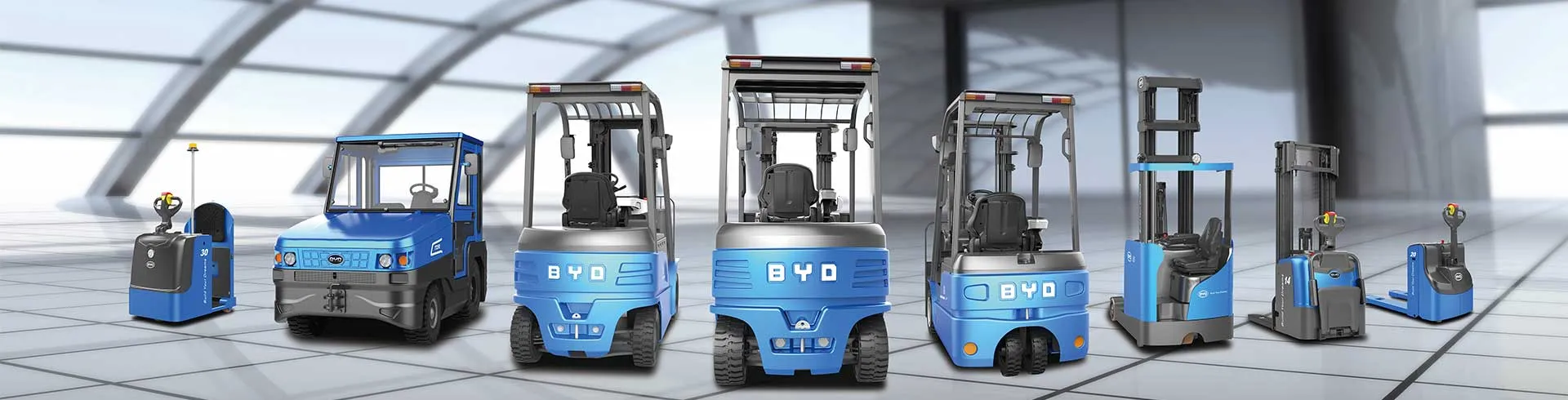
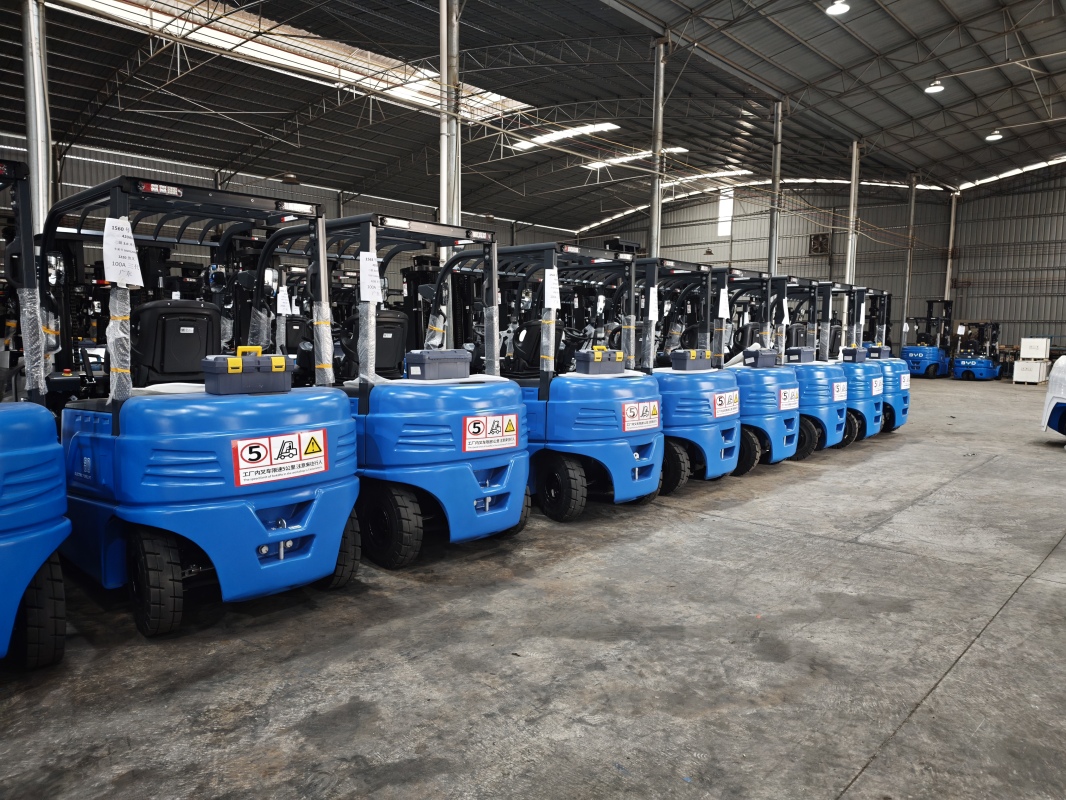
Jianshu New Energy offers a range of electric forklifts designed for demanding applications, and BYD Forklift is a recognized name in reliable electric material handling equipment. For more detailed cost comparisons tailored to your operation, feel free to reach out to our team at 17399989919@163.com. We will help you evaluate the numbers and select the most cost-effective solution for your daily heavy-duty tasks.


